~$100M
Target company valuation
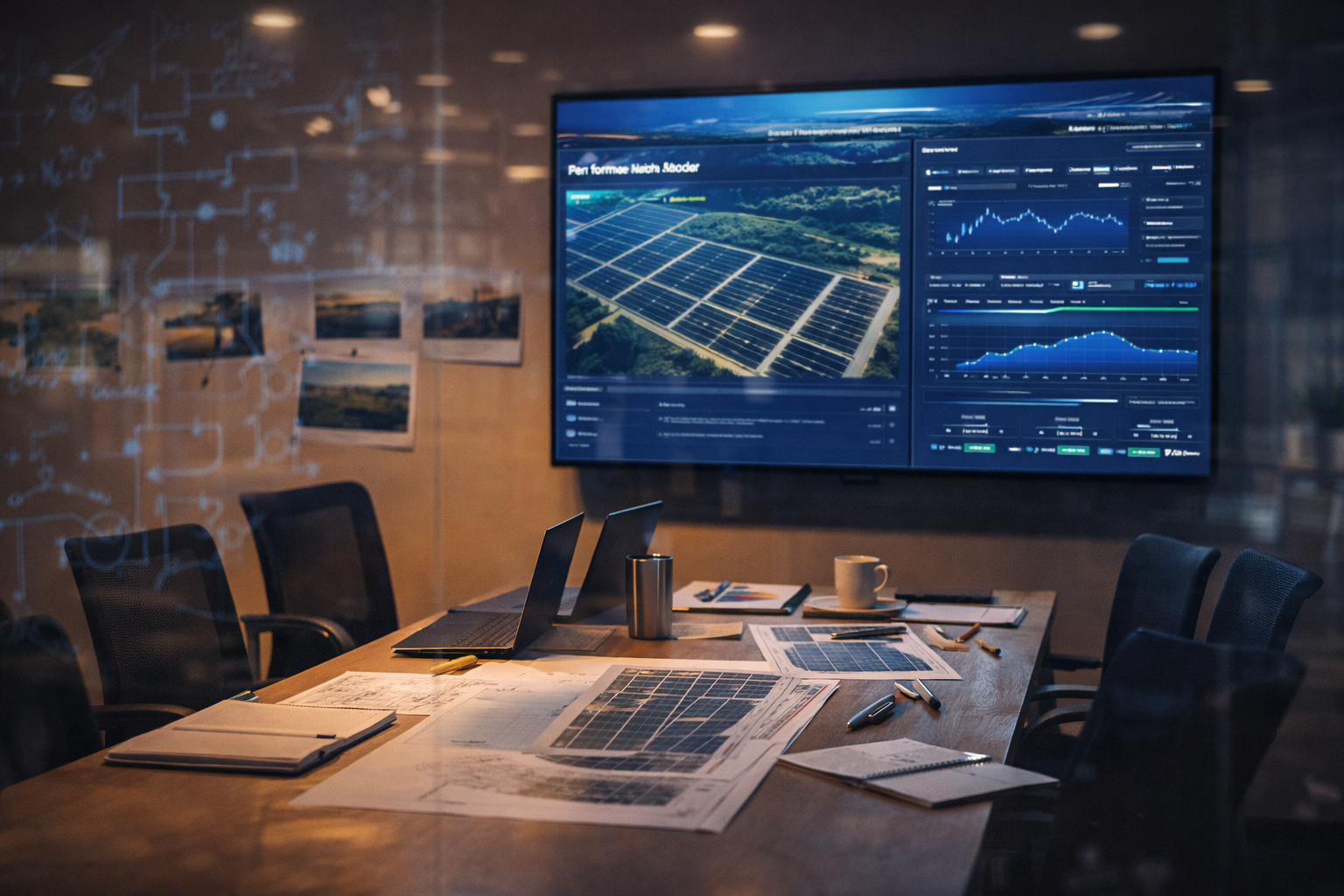
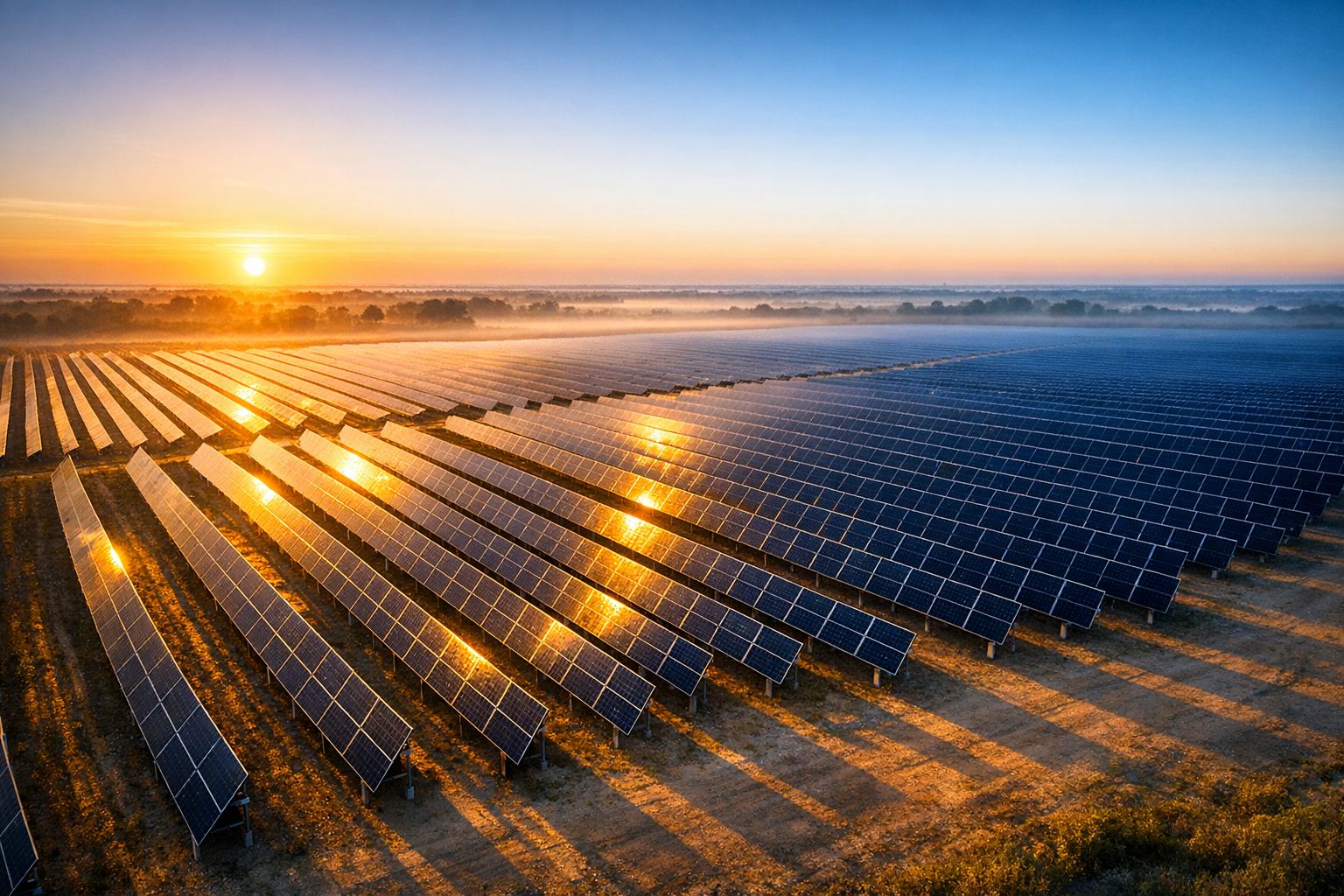
xSkylight is positioning to capture a category-defining opportunity in the $8–12B PV lifecycle software market—with a modular AI platform, deep domain moat, and a compounding data flywheel that grows with every deployment.
The problem we saw
We came from the field. We spent years designing PV plants, supervising construction, and optimising operations for utility-scale solar assets across Europe and beyond. And everywhere we looked, the same pattern repeated itself.
A design engineer in one office produces a CAD layout. A construction manager on site compares it against reality using a clipboard and a camera—deviations are spotted late, sometimes only at commissioning. Once the plant is handed over, an operations team monitors performance through a SCADA system that has no link to the original design model. When something degrades, a maintenance technician drives out, takes photos, writes a report by hand, and emails it to three different people. Each phase ends where the next begins—but nothing actually connects them.
Every stage of the PV lifecycle is disconnected from the next. Data is trapped in silos. Decisions are made without context. And the industry loses billions each year to design rework, construction delays, undetected faults, and suboptimal operations.
This is not a niche inefficiency. It is a structural gap across a $300+ billion annual market—and it grows wider with every gigawatt installed.
The scale of the disconnect
- Design phase: Layouts are produced in CAD tools that have no awareness of construction sequencing, procurement constraints, or operational performance. Design engineers iterate manually, often producing outputs that need rework once they reach the EPC contractor.
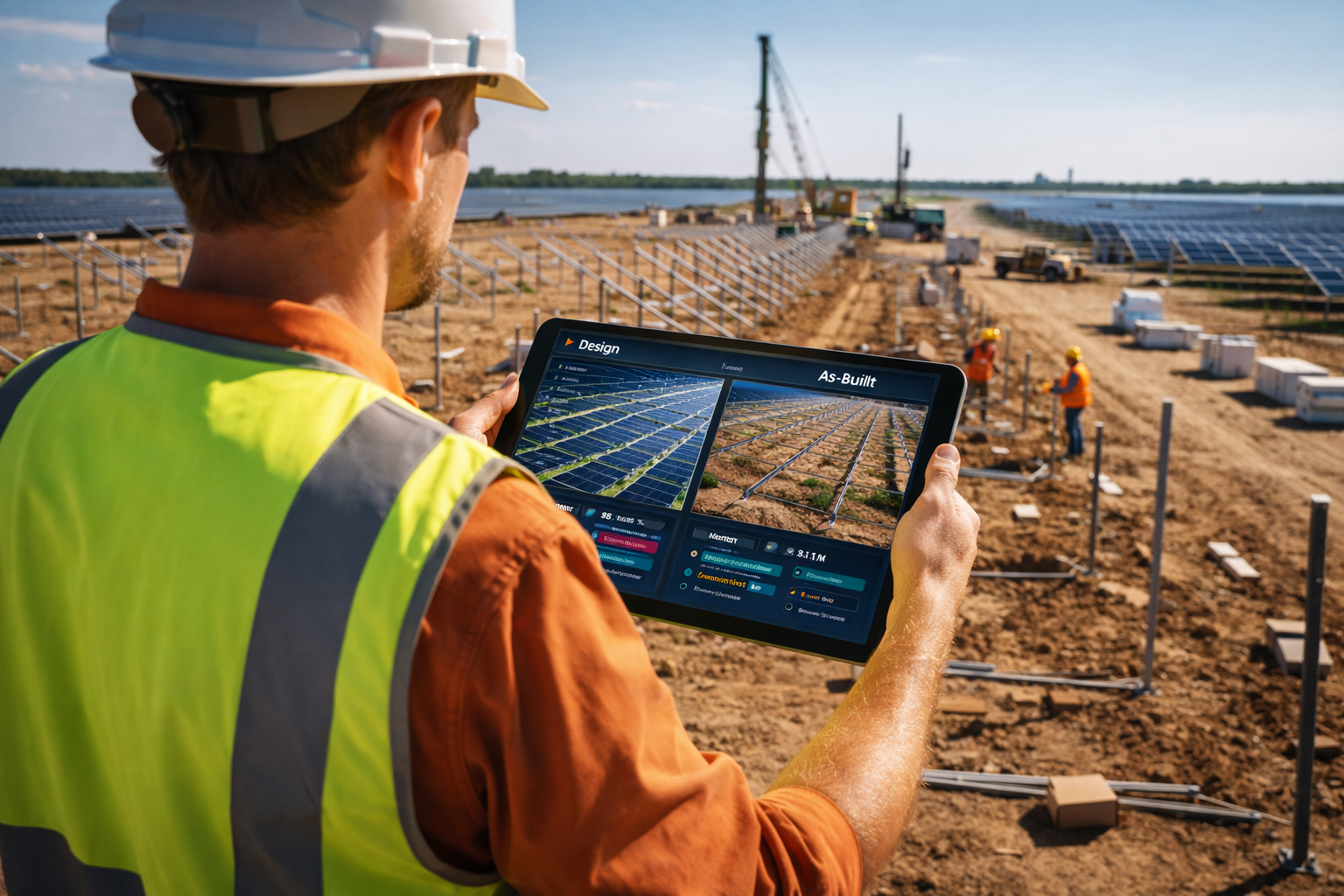
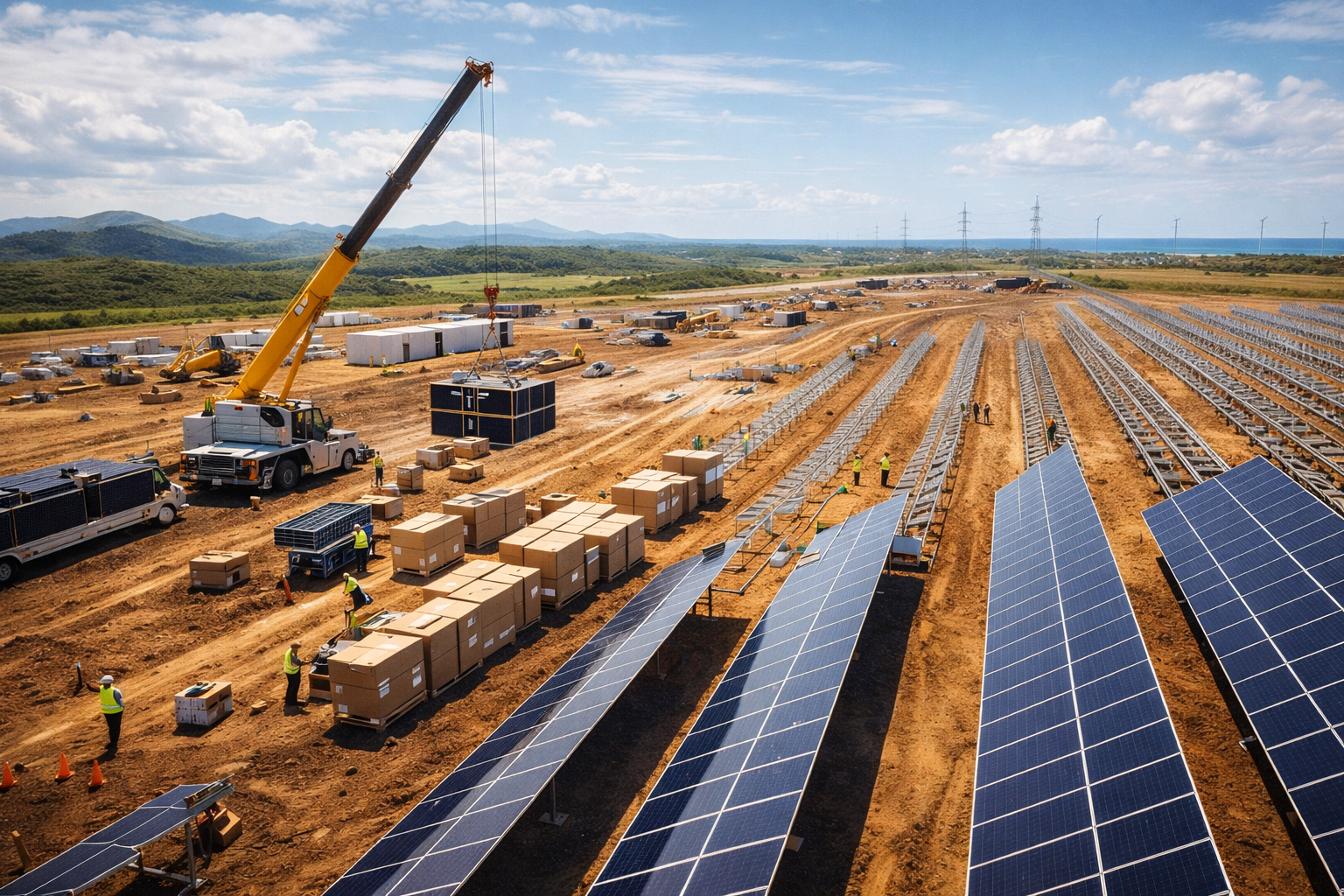
- Construction phase: Progress is tracked through manual site walks and photo logs. There is no systematic way to compare what was designed against what is actually built. Deviations are caught late—sometimes only during commissioning.
- Operations phase: SCADA systems collect telemetry, but they lack intelligence. Anomalies are detected by threshold alarms, not by models that understand what the plant should be doing. Maintenance is reactive. Fleet-level insights are virtually non-existent.
- Documentation: Every project generates thousands of documents—permits, technical specifications, compliance records, inspection reports. Finding the right document at the right time costs projects weeks of delays.
We realised that the PV industry doesn’t need another point solution. It needs a platform that connects design intent to construction reality to operational performance—with AI that understands the entire lifecycle.
What we are building
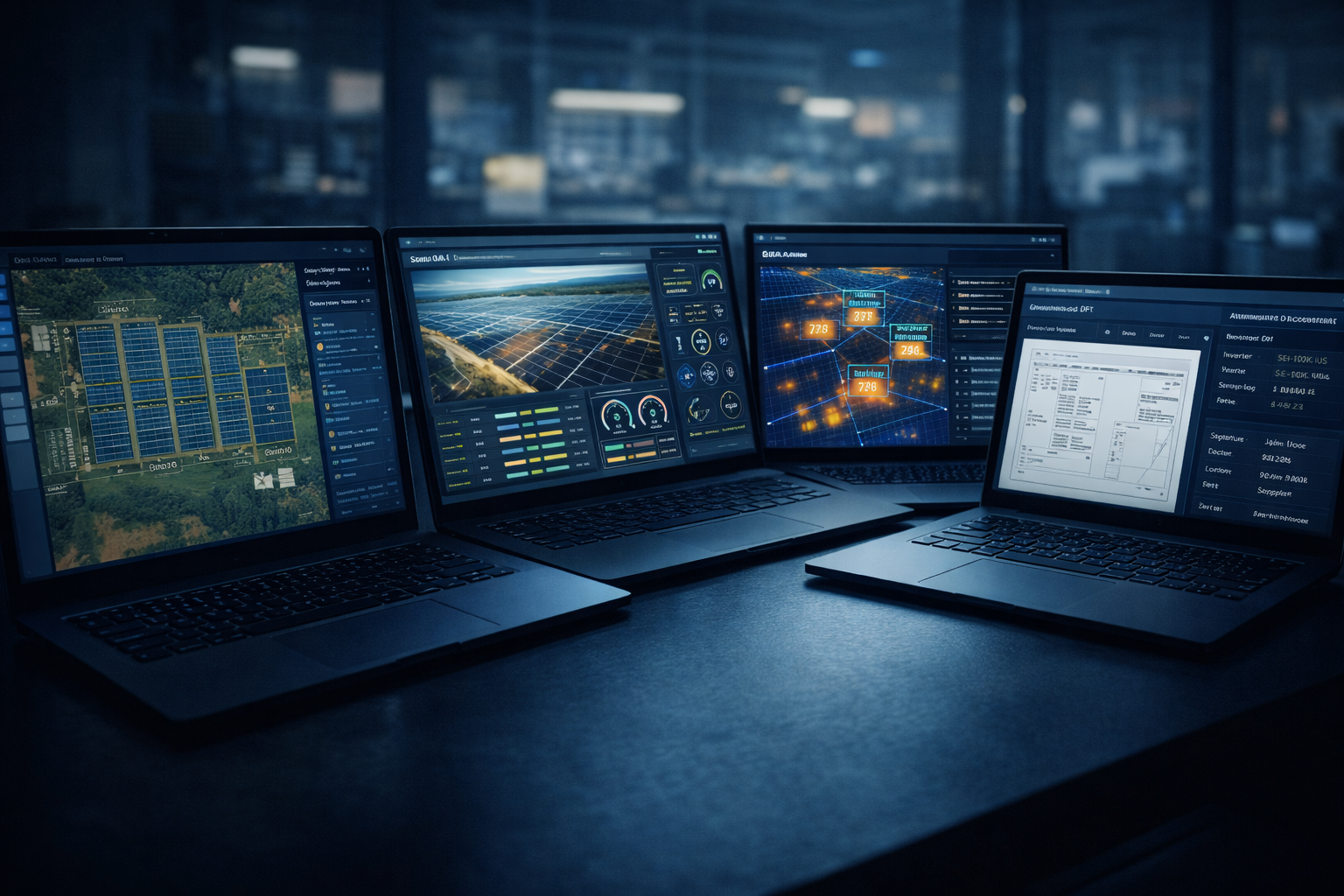
xSkylight is a modular AI platform that unifies the entire PV lifecycle into one system. Six modules, one data thread, every output auditable.
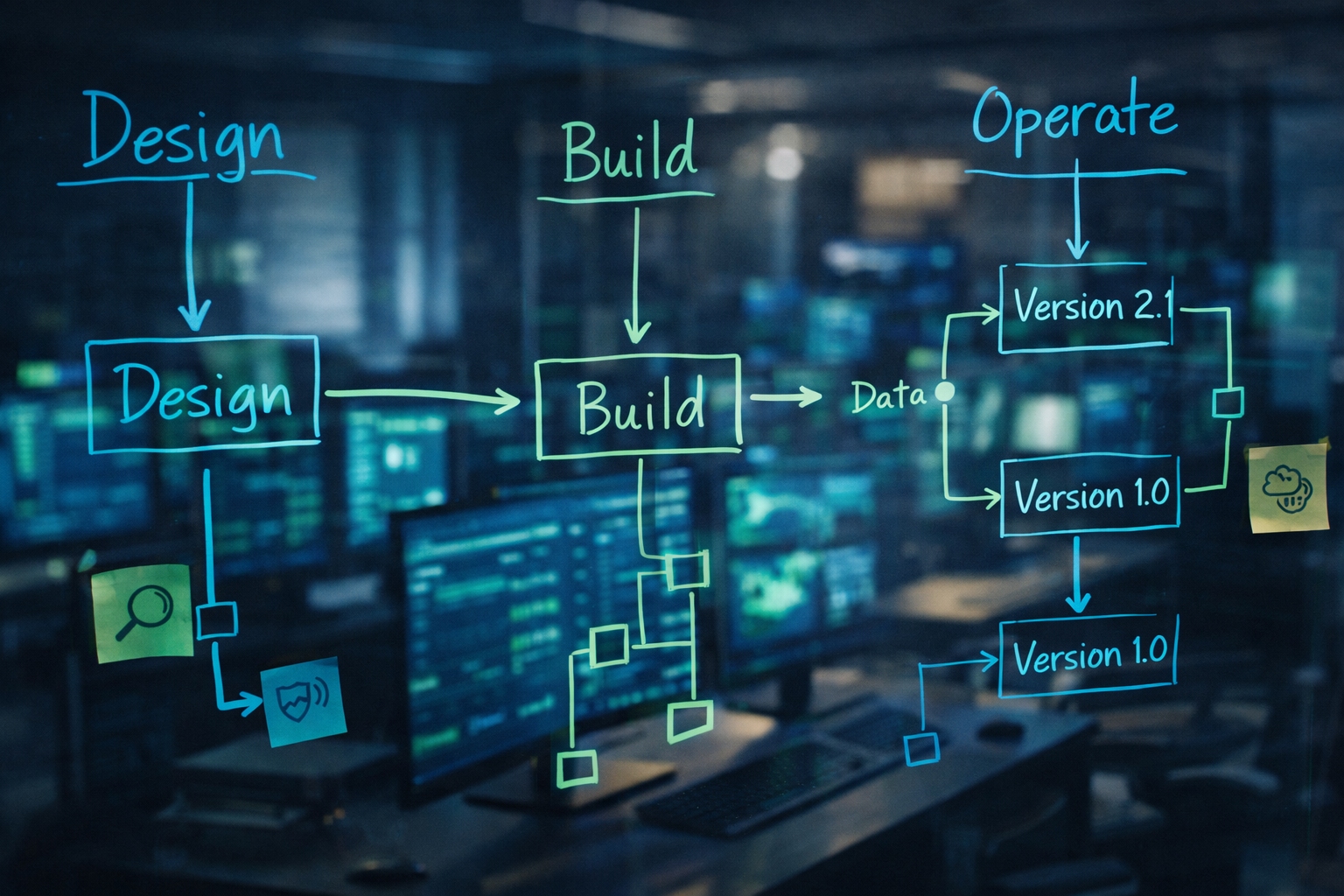
Our platform is not a collection of disconnected tools stitched together by APIs. It is built from the ground up as an integrated system where design data flows into construction verification, construction data feeds into operational baselines, and operational insights loop back into design optimisation.
The six modules
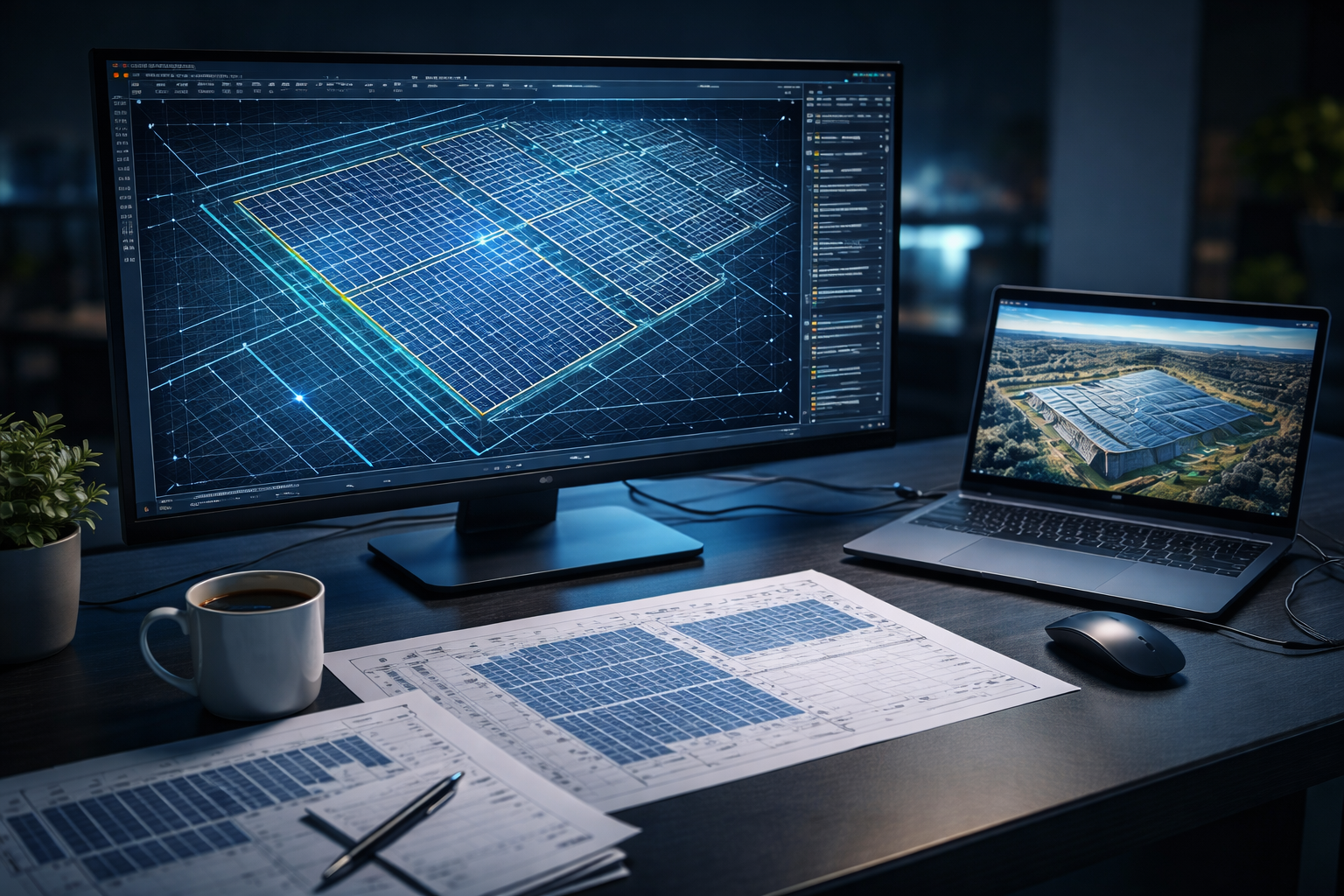
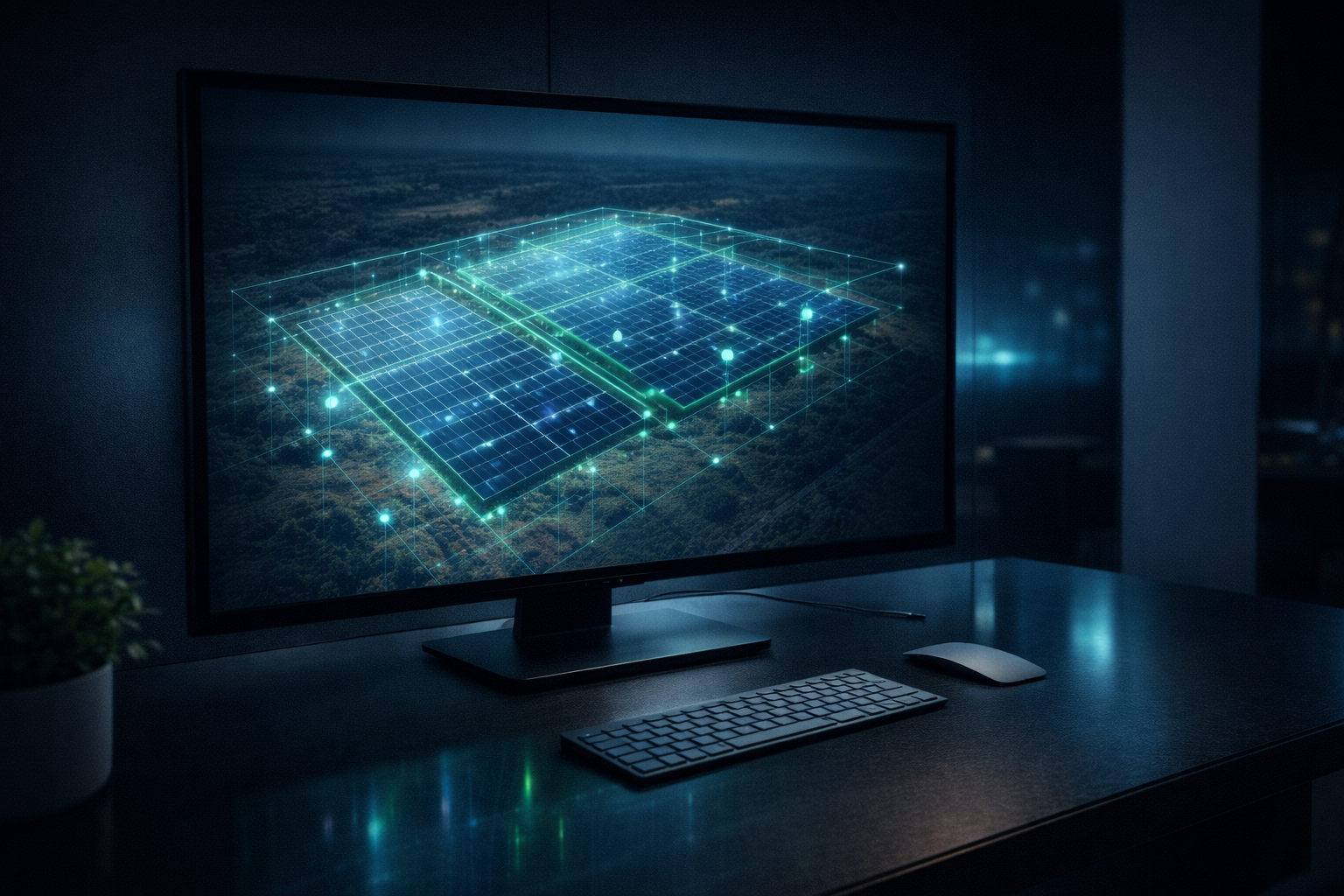
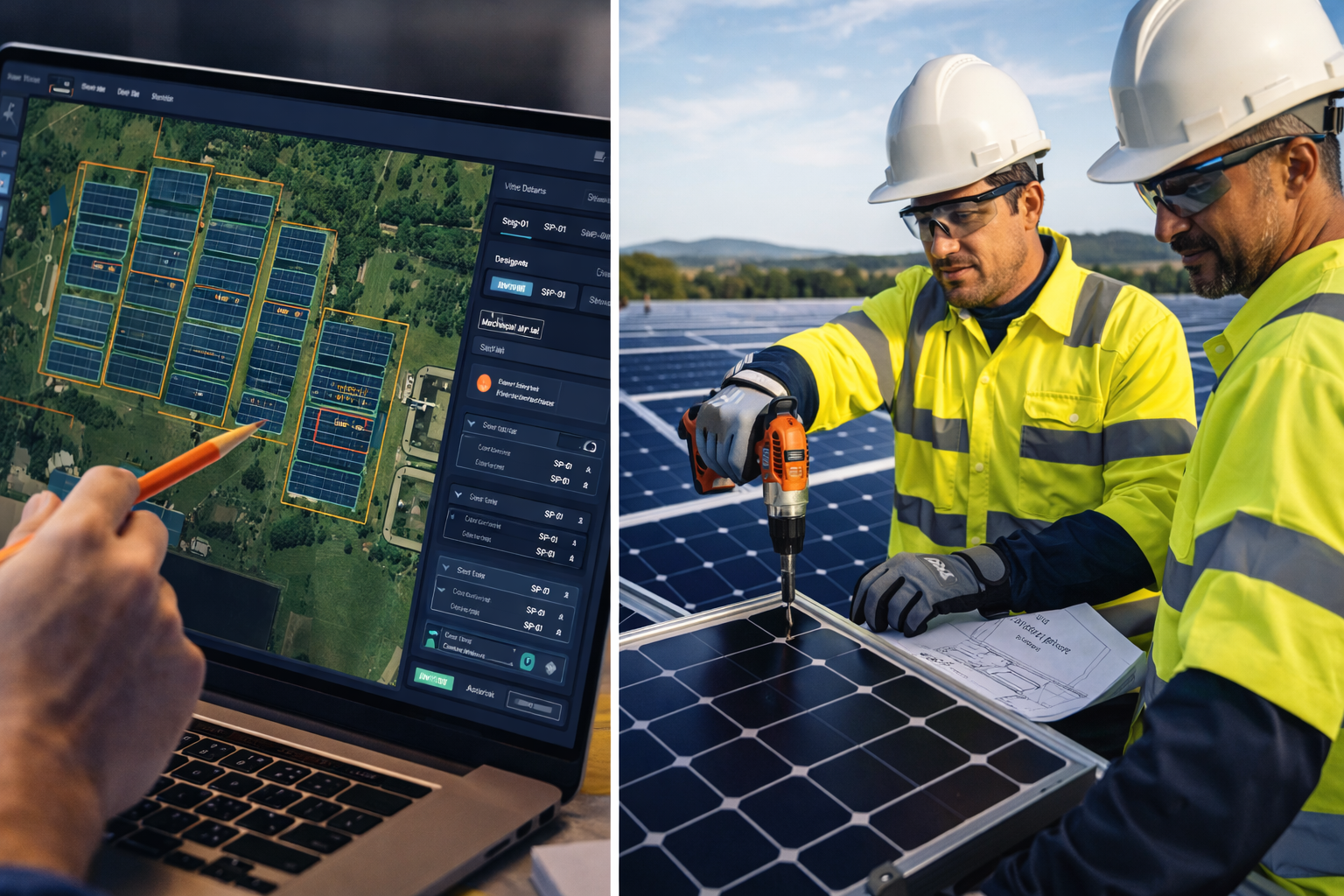
- Design Automation — Powered by VibeSolar—Our proprietary AI-native design engine combines deterministic layout, electrical, and civil engines with an AI assistant inside Autodesk AutoCAD/Civil 3D. Terrain-aware placement, complete electrical design, automated roads and fencing, BoQ, yield estimation, and LCOE/IRR/NPV financial models. 96 CAD commands, 32 WPF dialogs, full audit trail. ML edit-learning observes design refinements and infers intent. Probabilistic scenario analysis sweeps up to 50 variants with P10/P50/P90 capacity rankings. Learn more about VibeSolar →
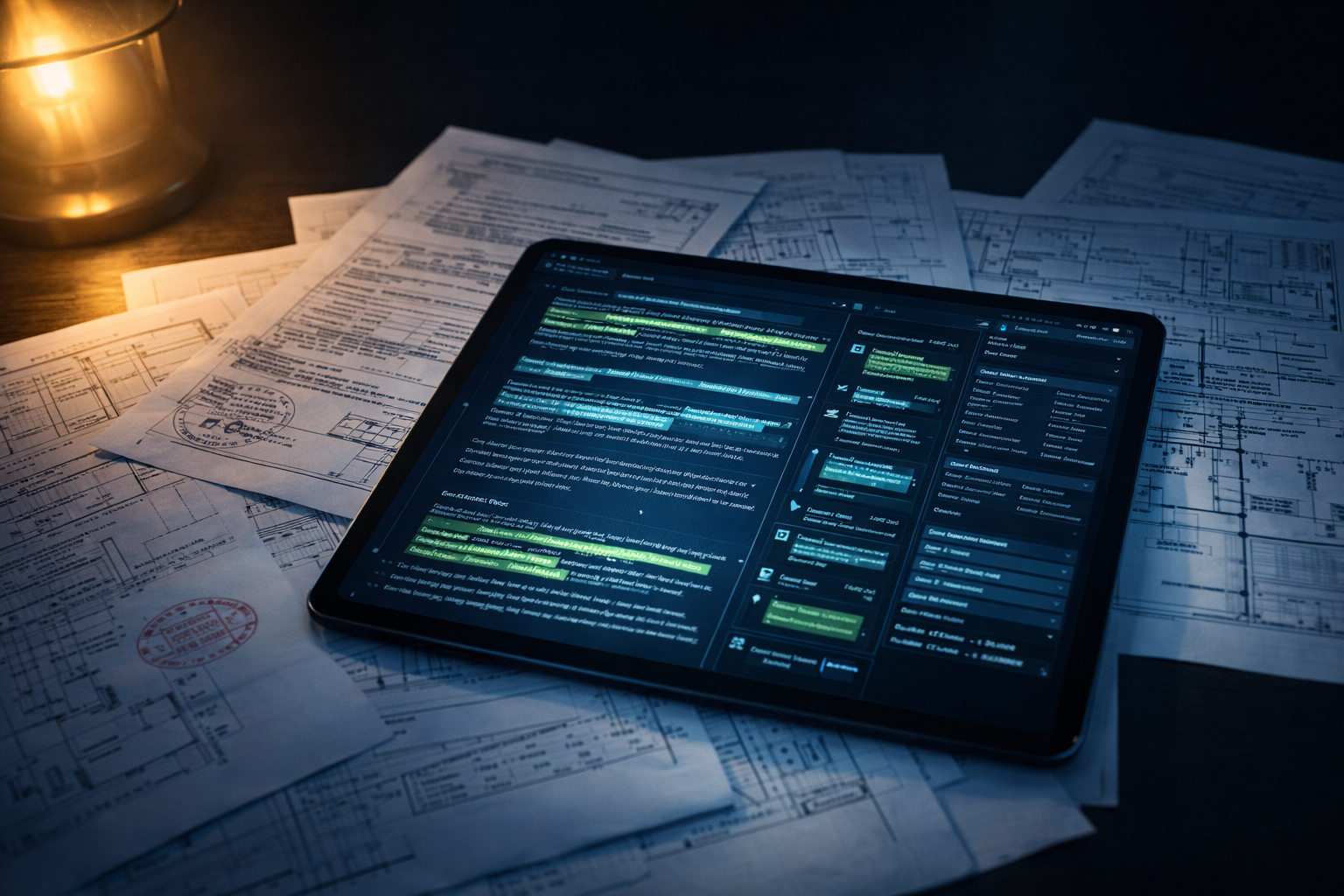
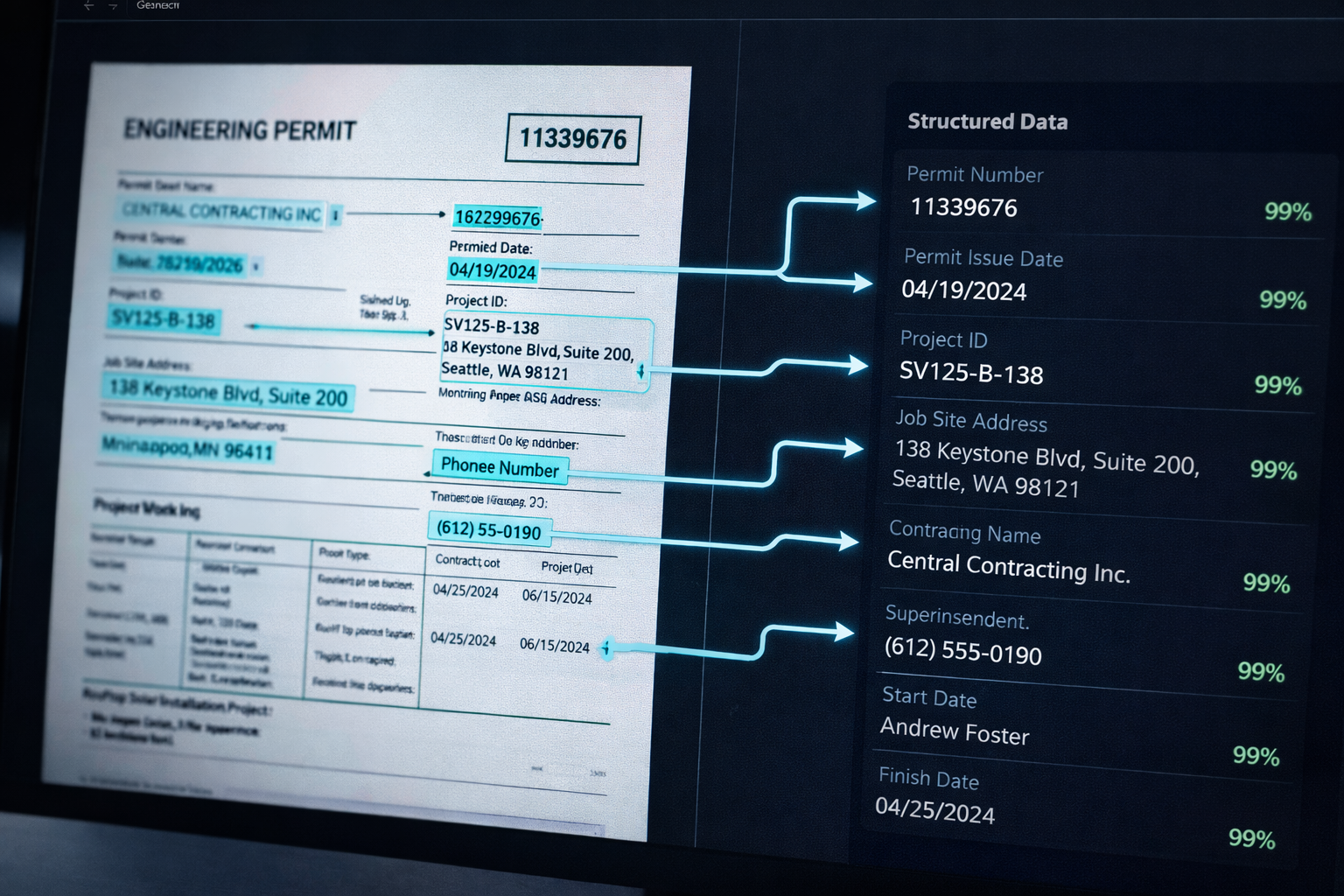
- Document Intelligence—Automated due diligence and document management. Our system extracts entities from unstructured documents, detects missing or expired records, and generates structured project context. An AI analyst that has read every document in the project room.
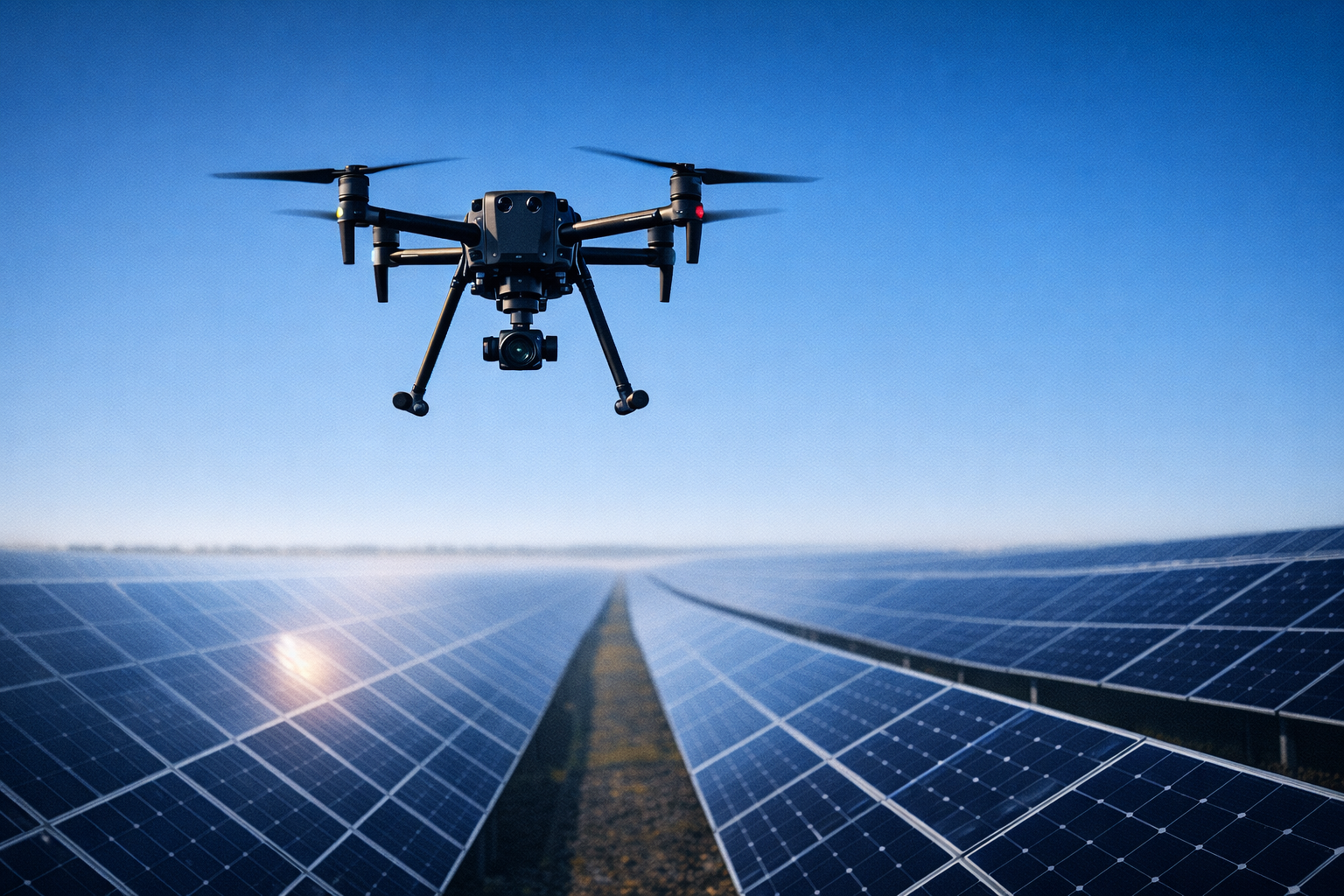
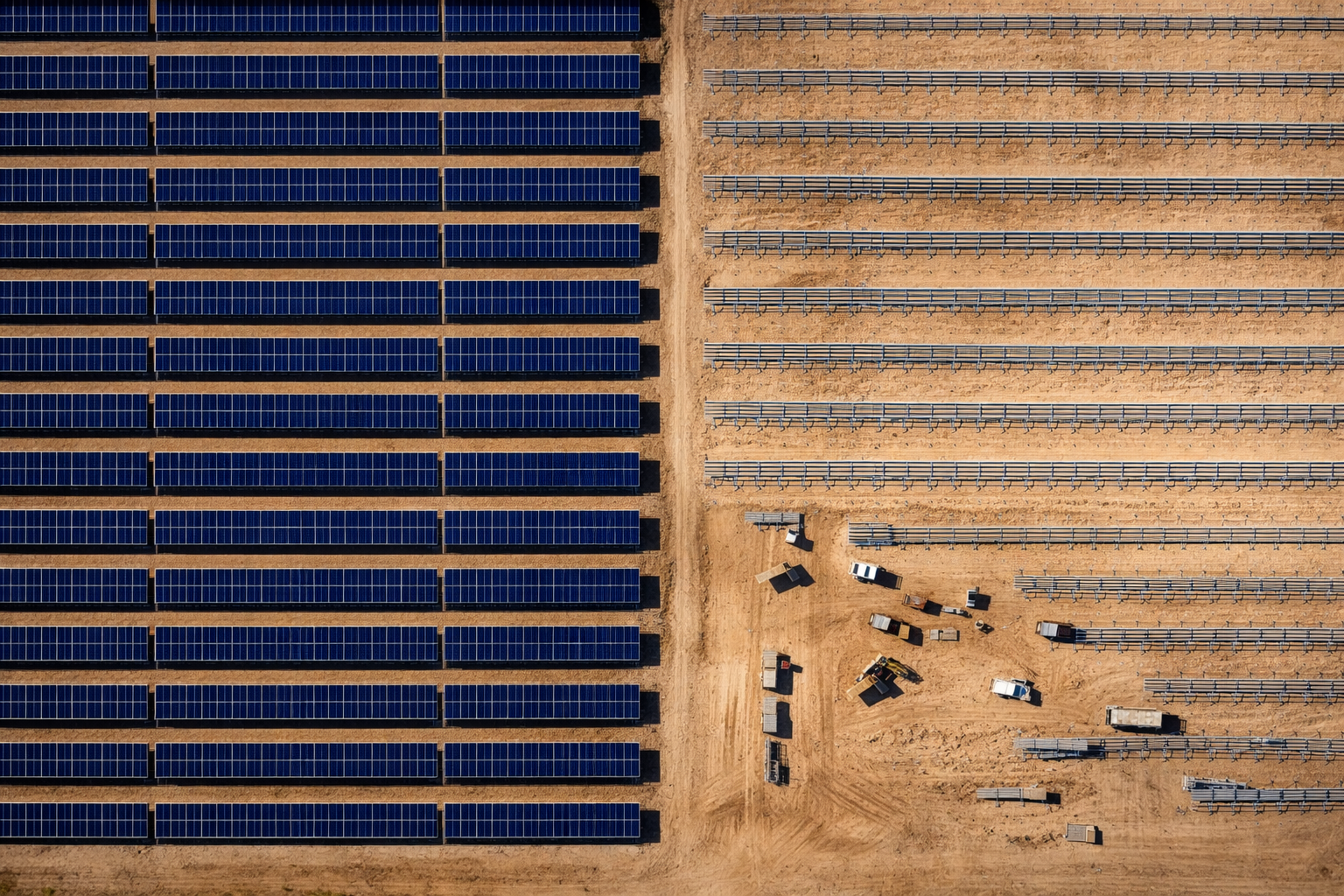
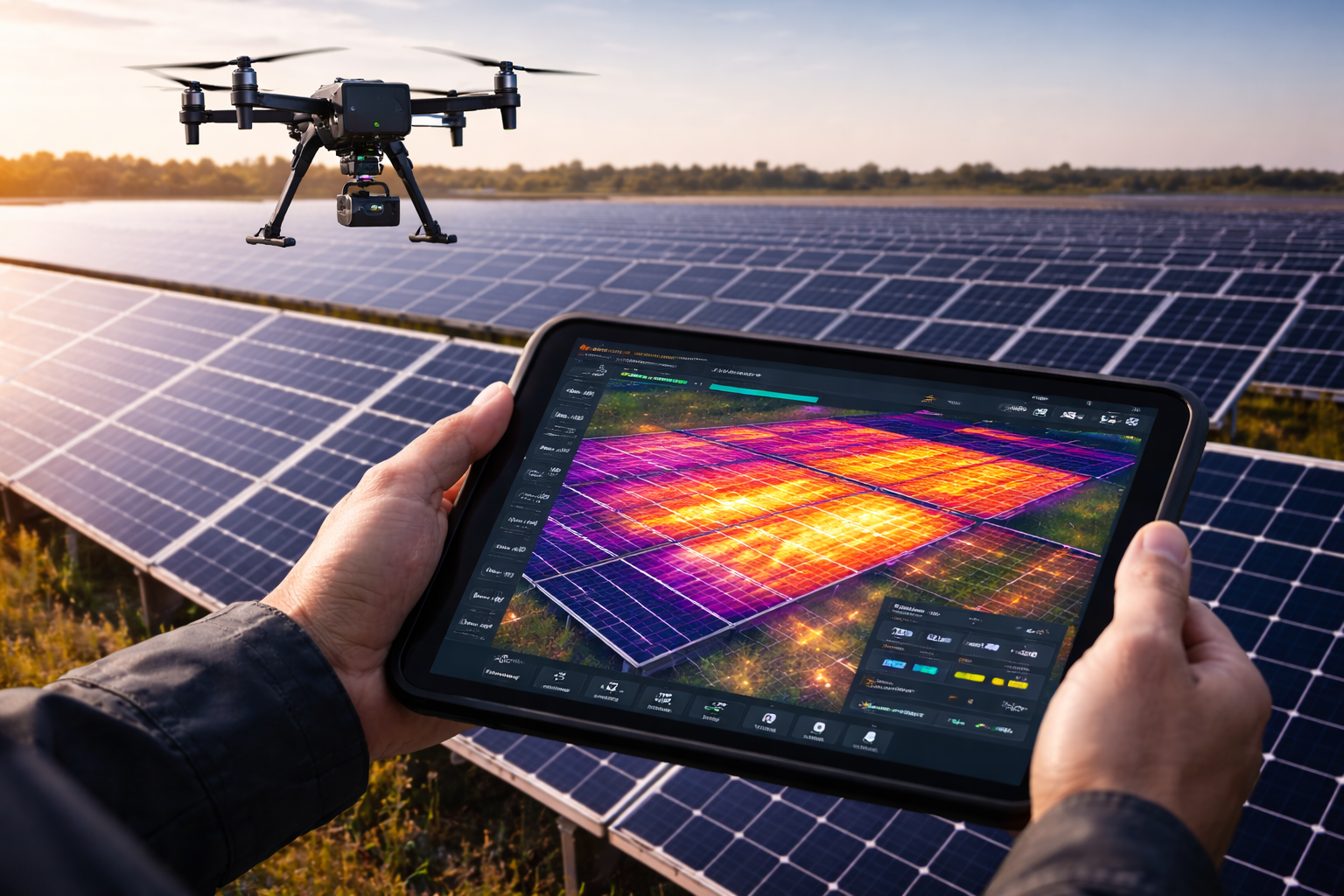
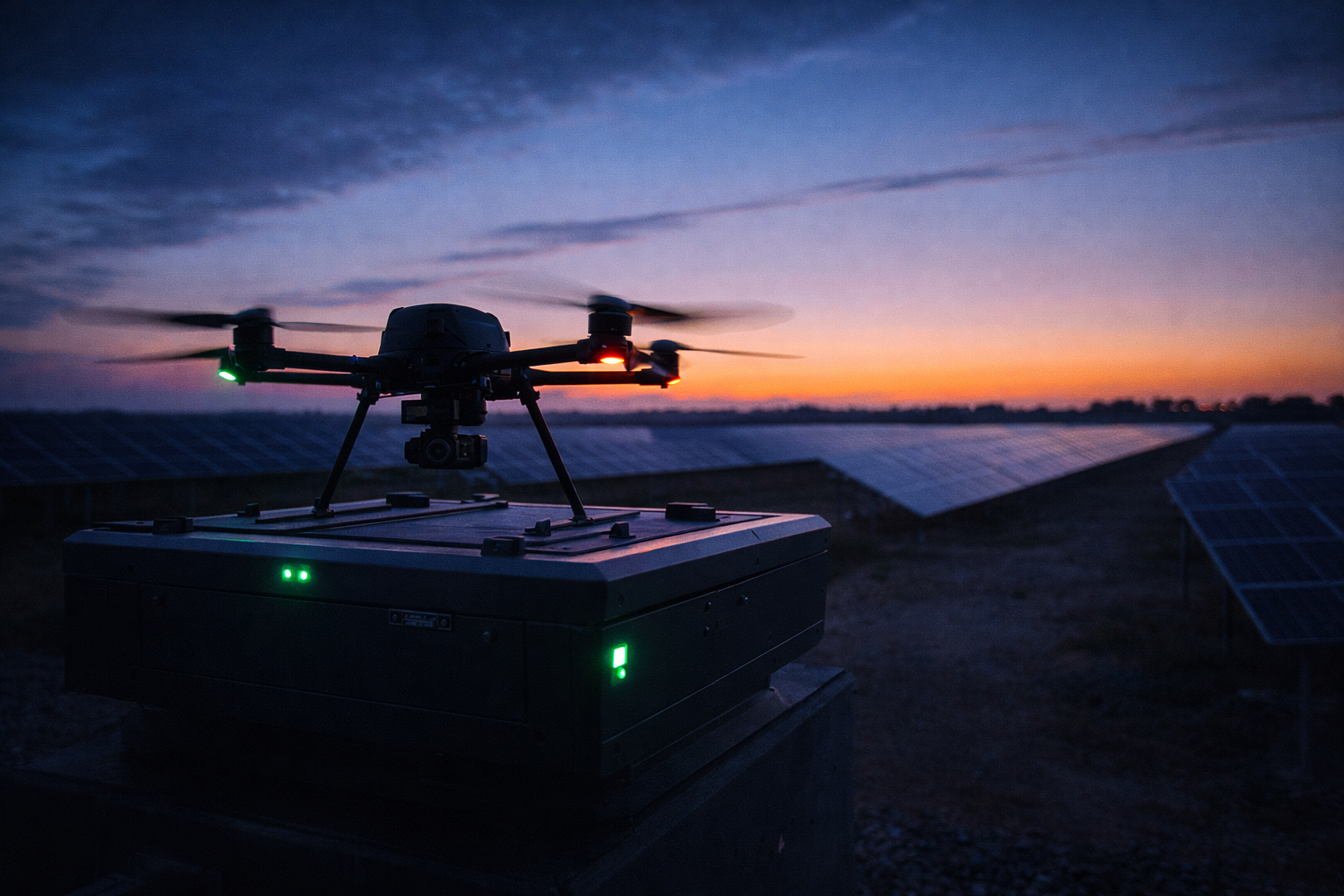
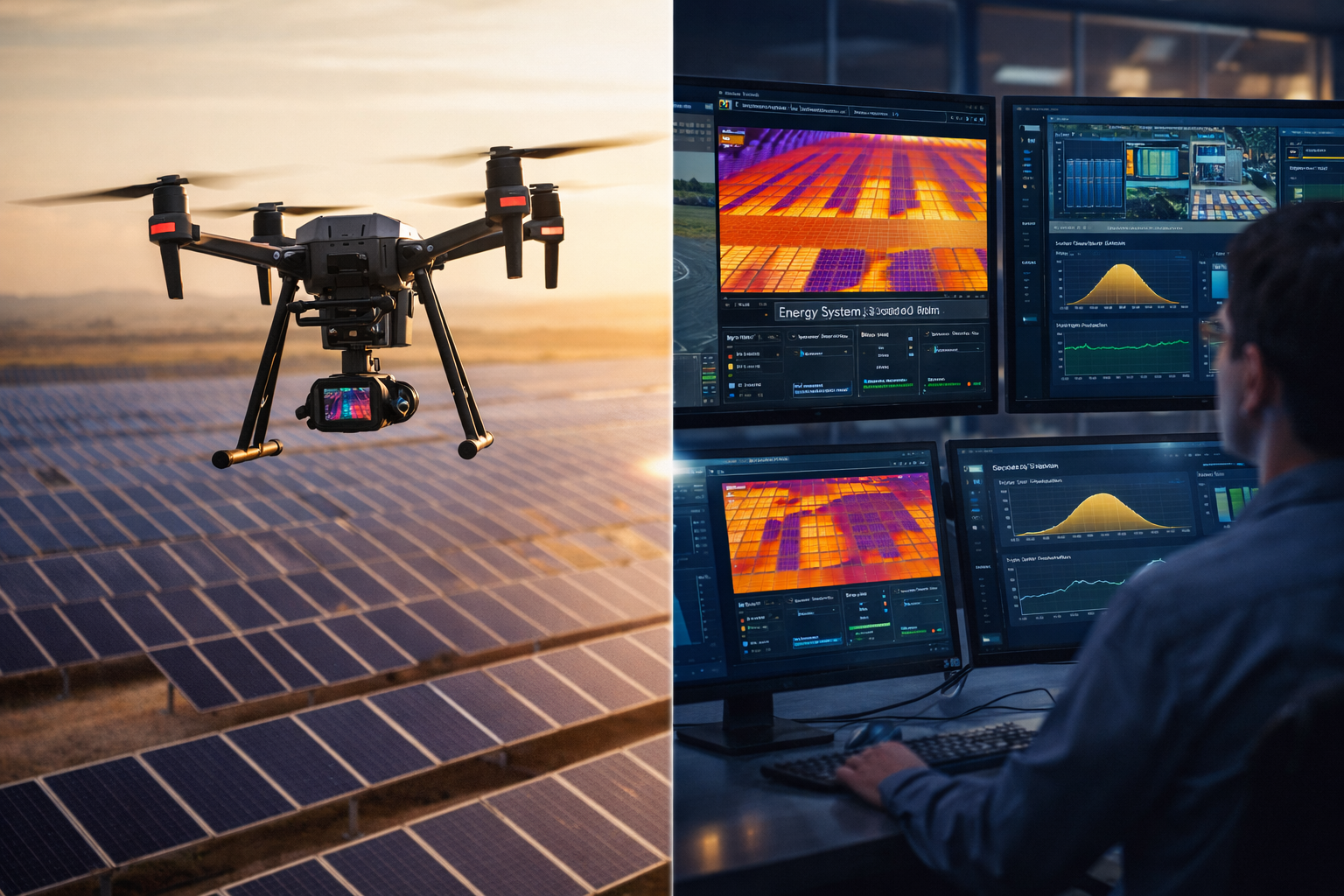
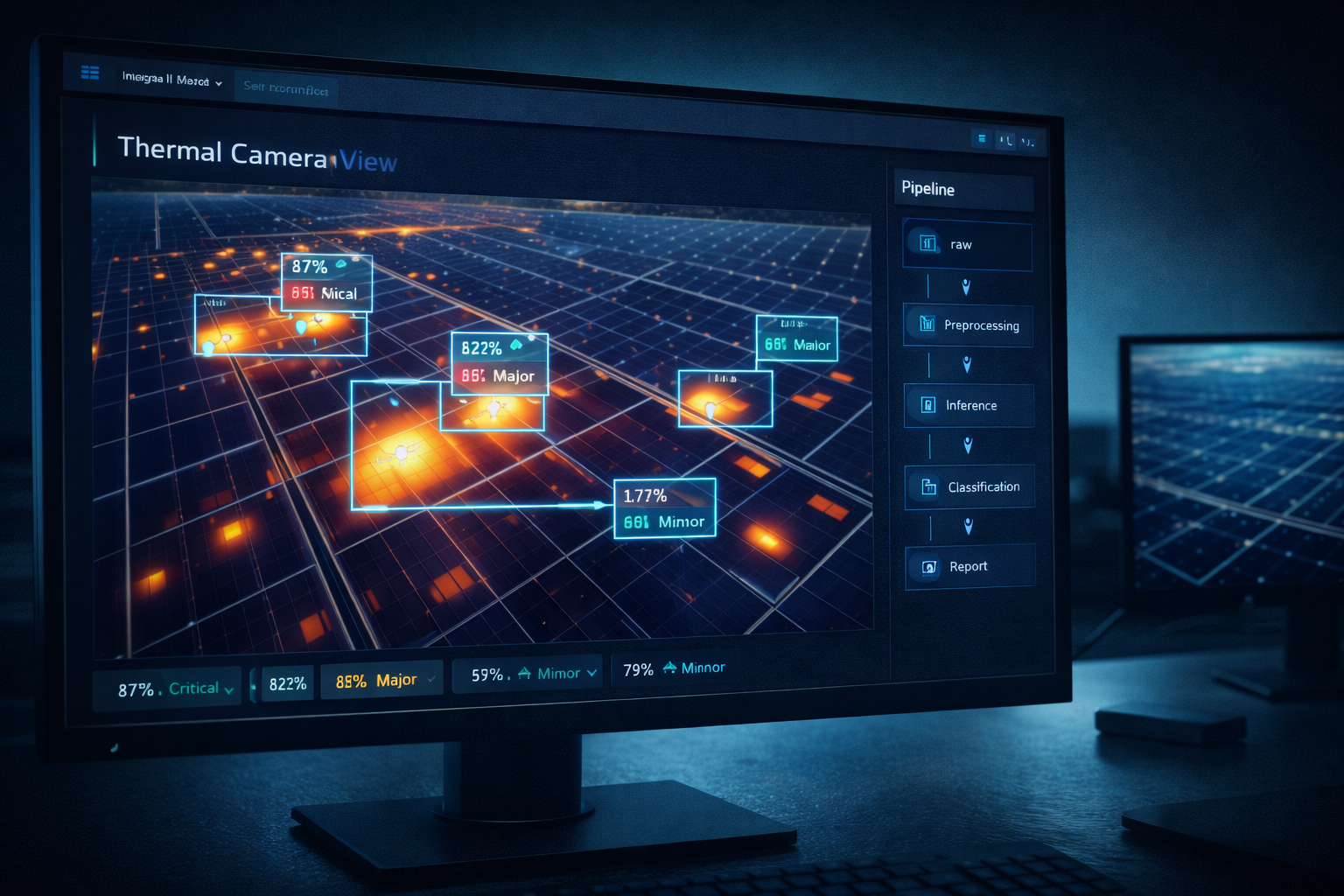
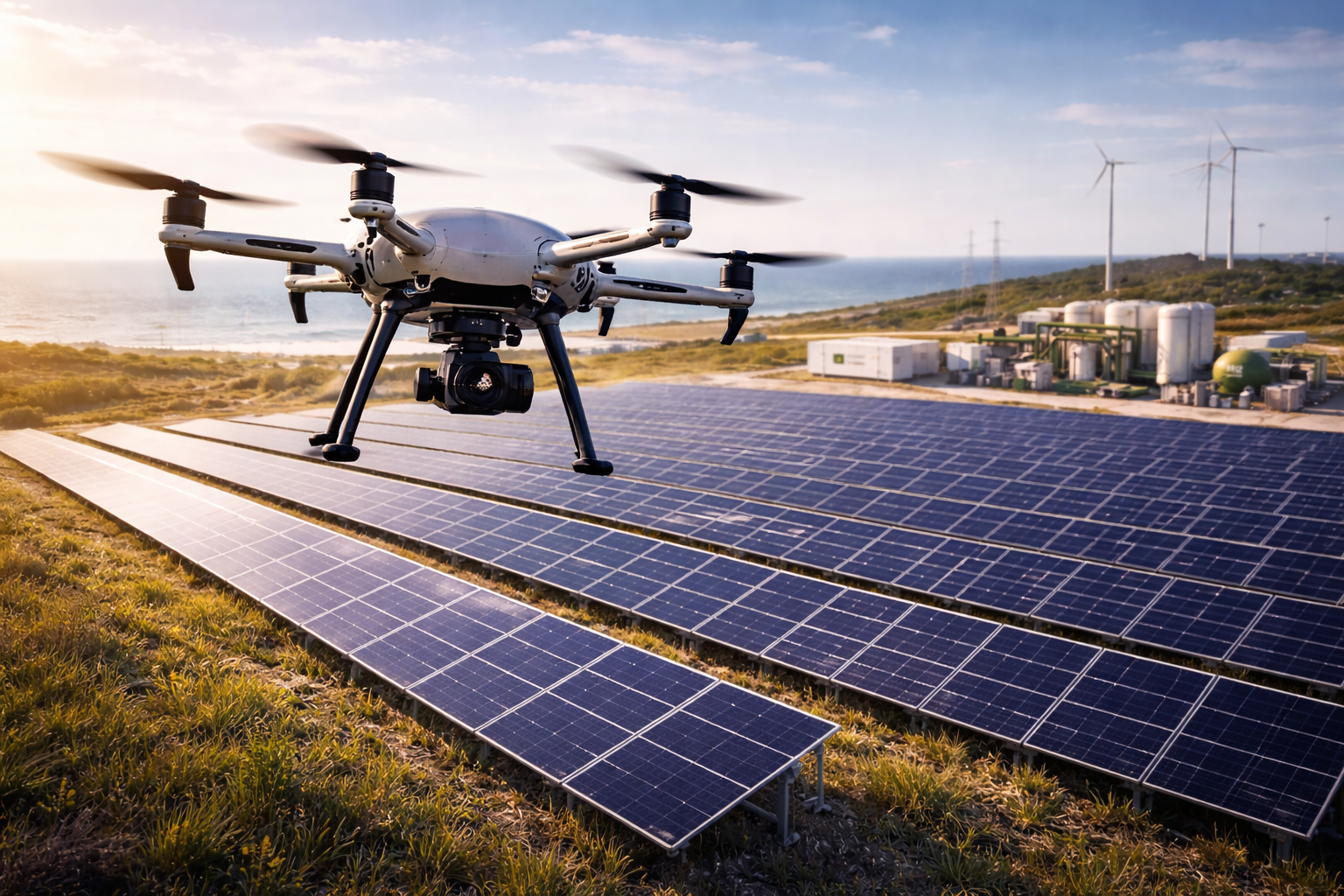
- Autonomous Site Supervision—Drone and ground-level capture feeds into AI models that produce orthomosaic maps, point clouds, and object-level progress reports. The system compares what is built against the design model and generates evidence packages automatically.
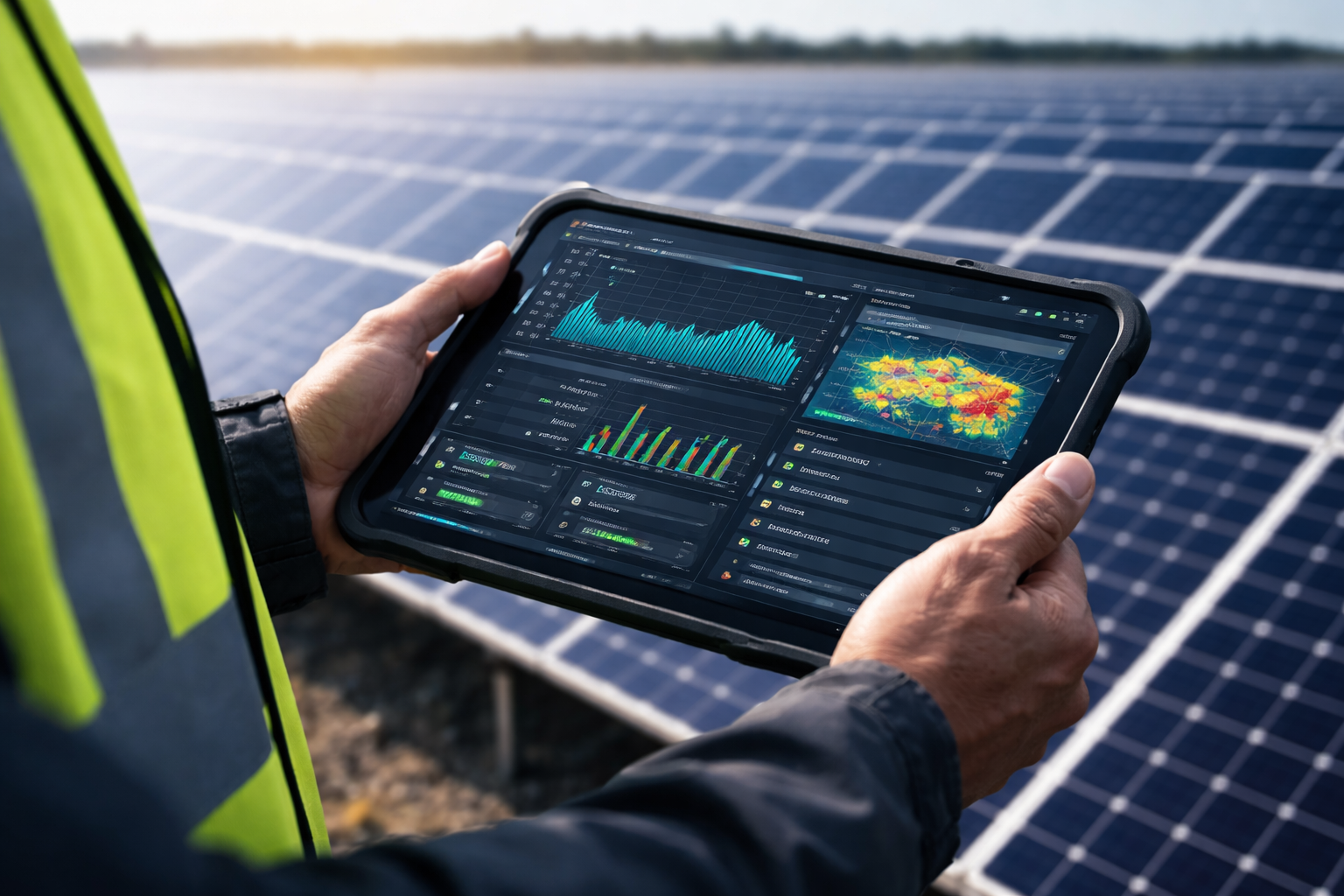
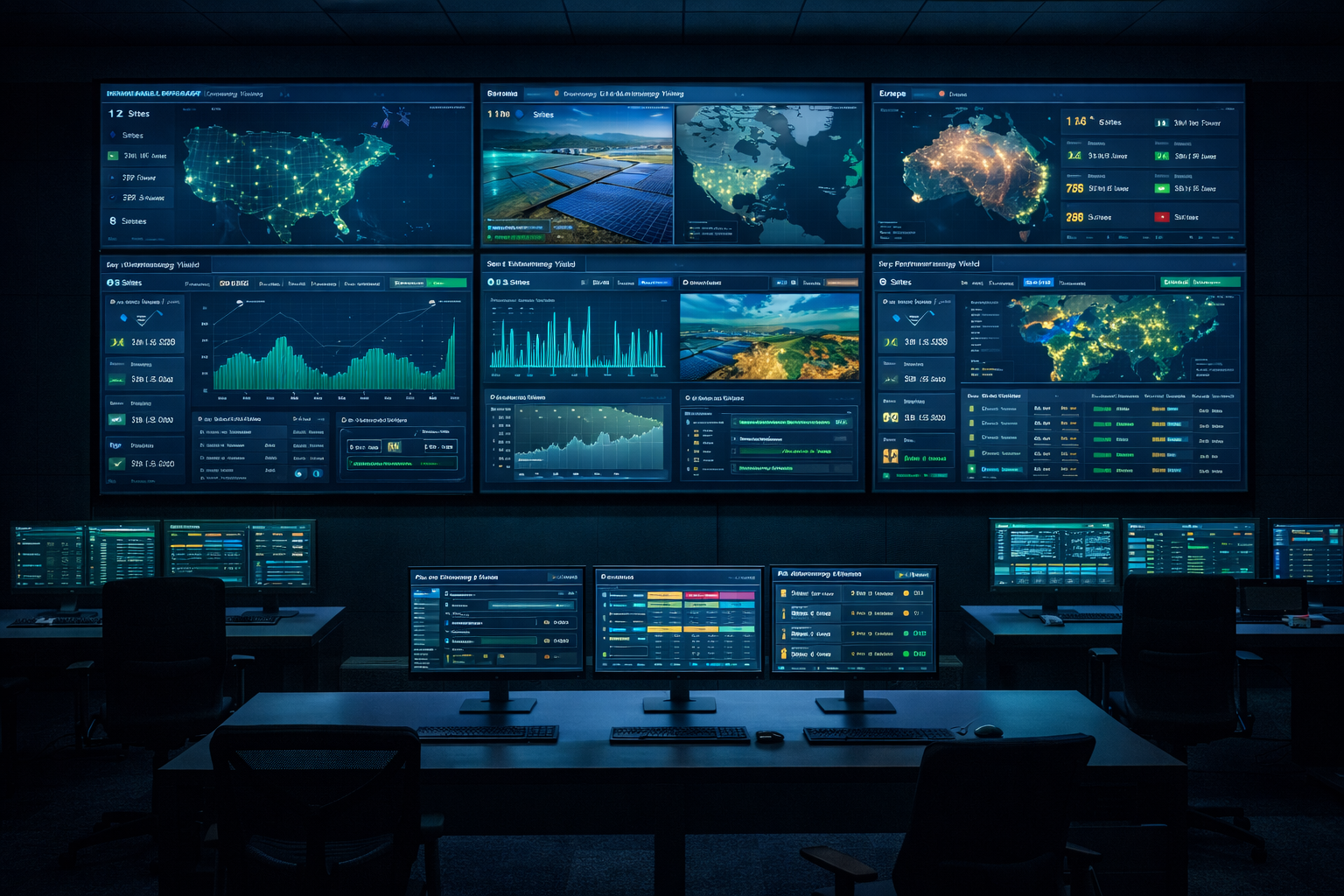
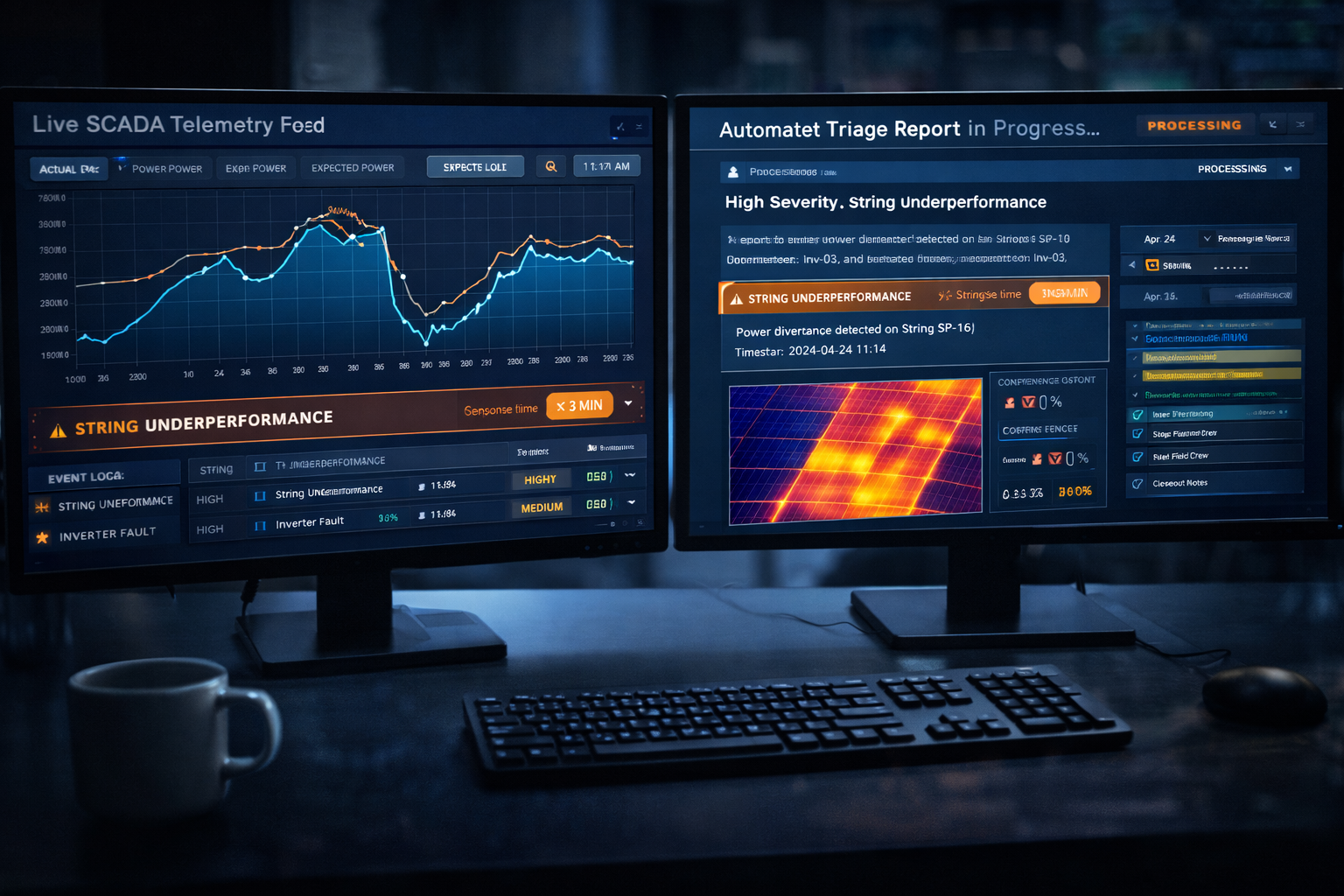
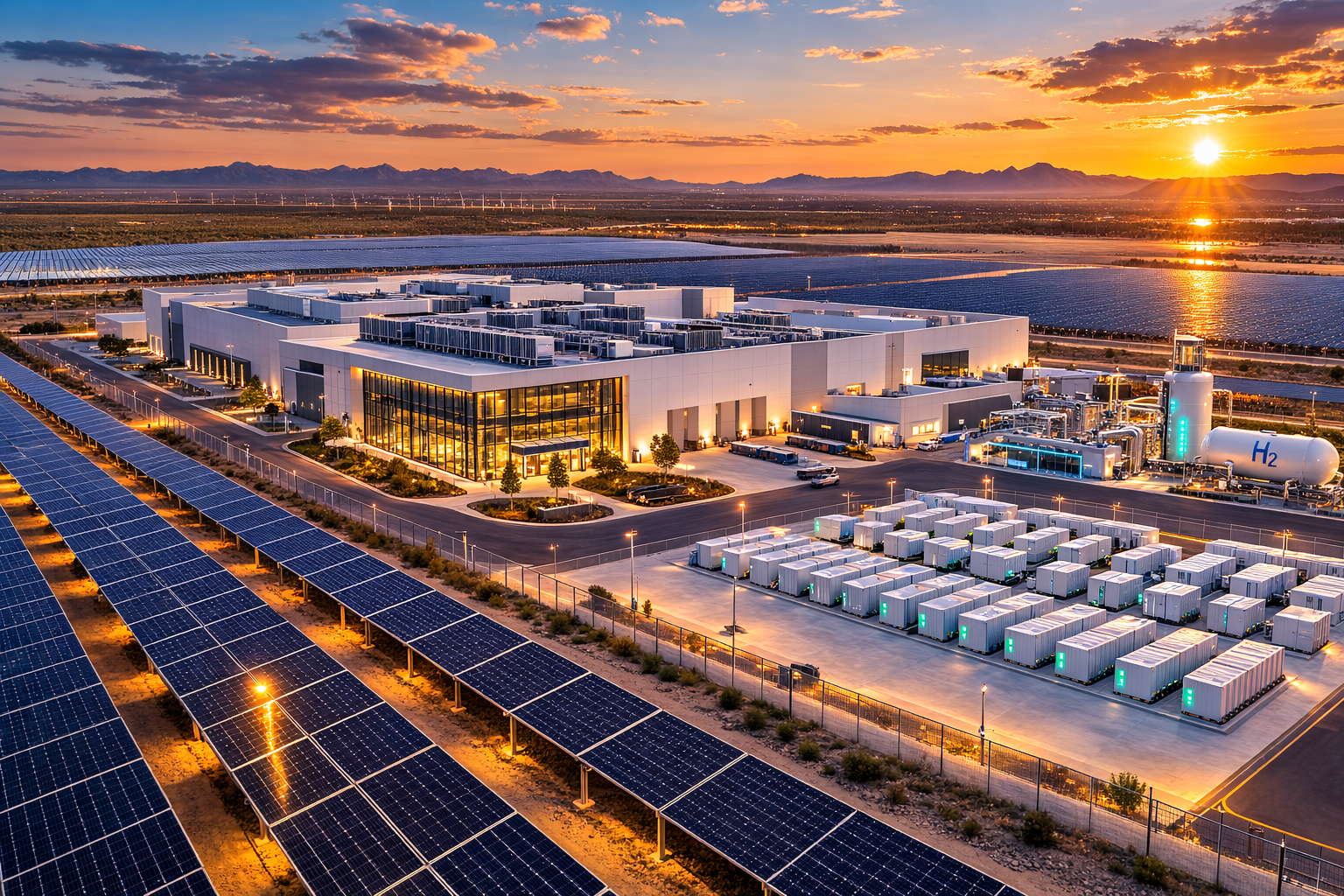
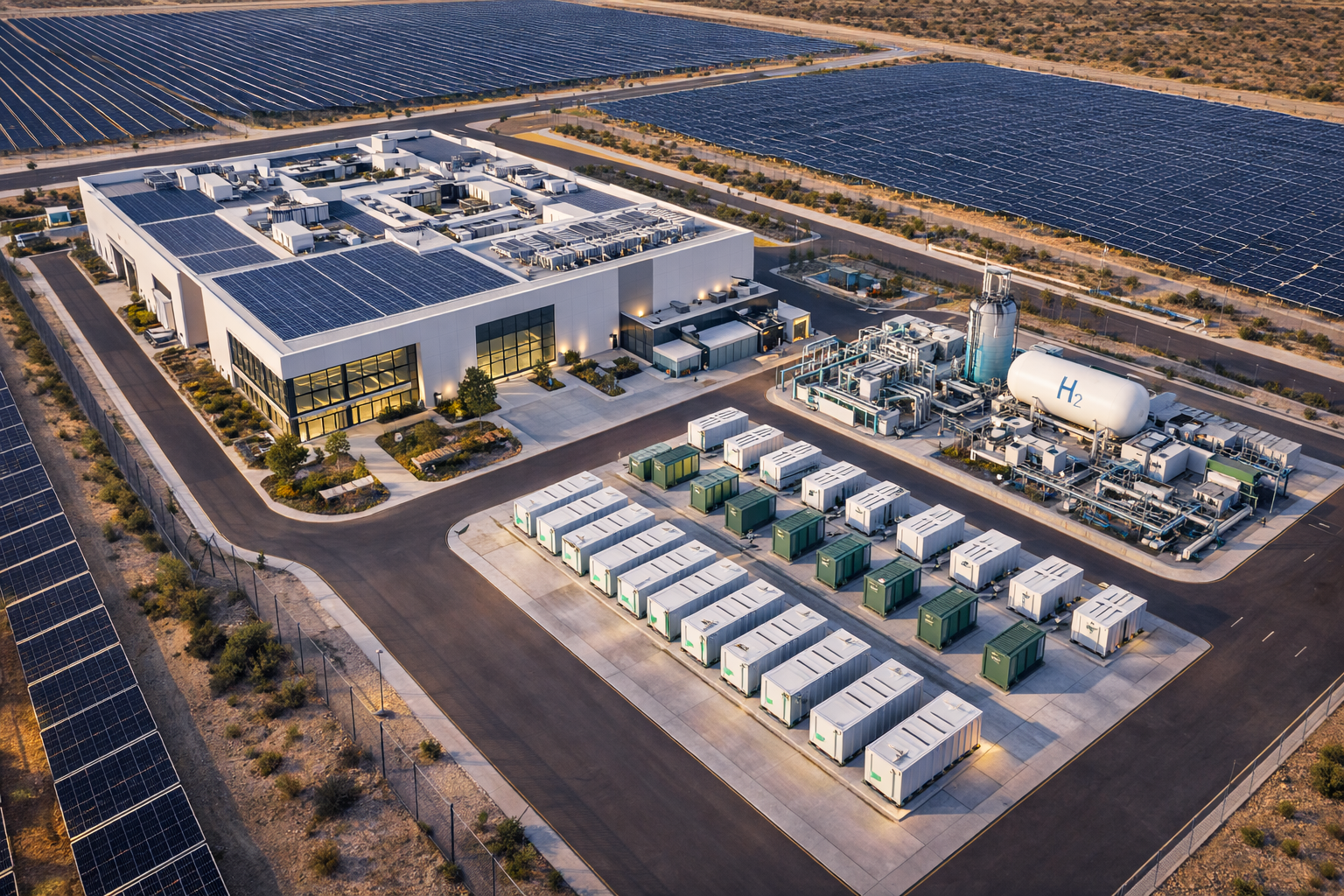
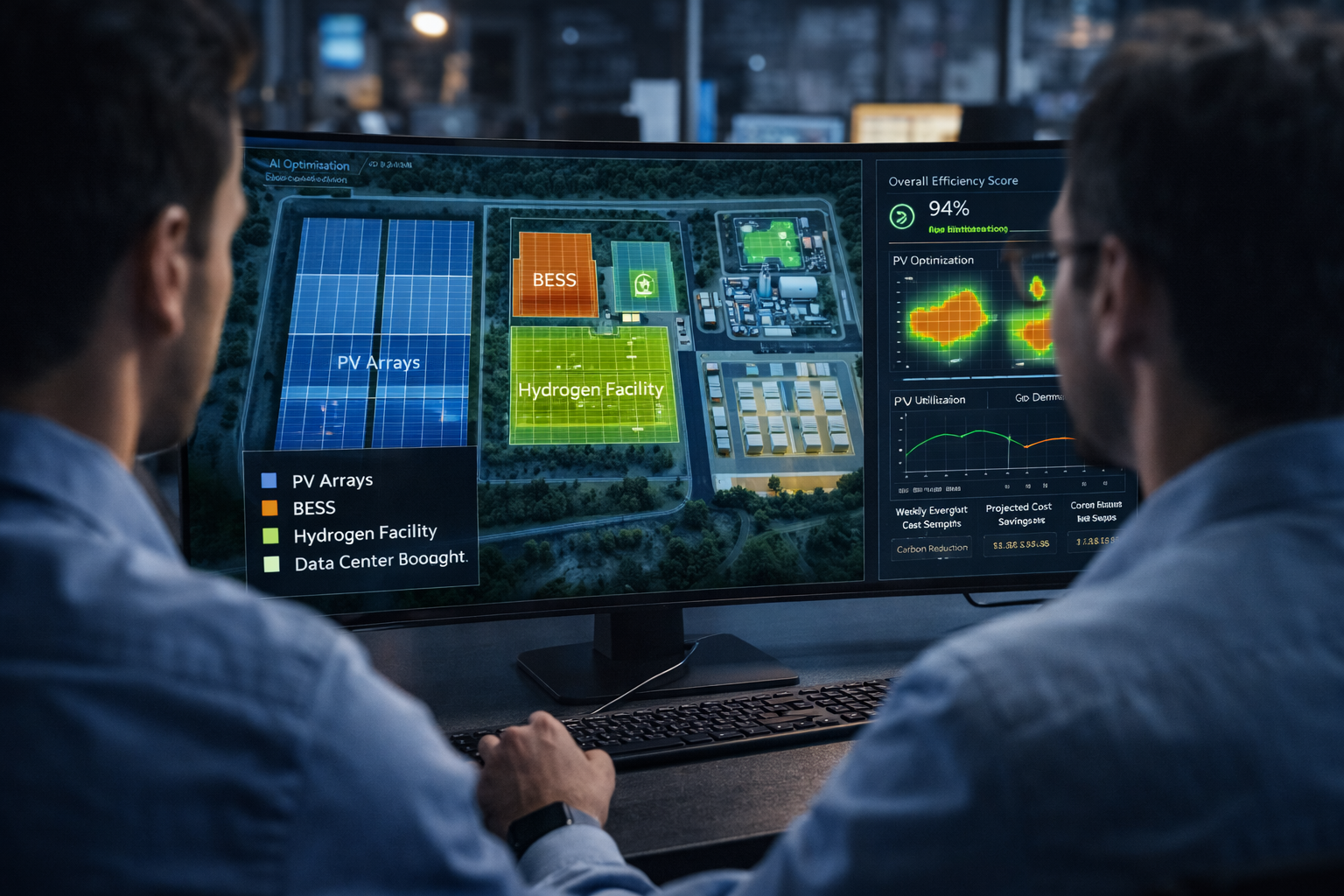
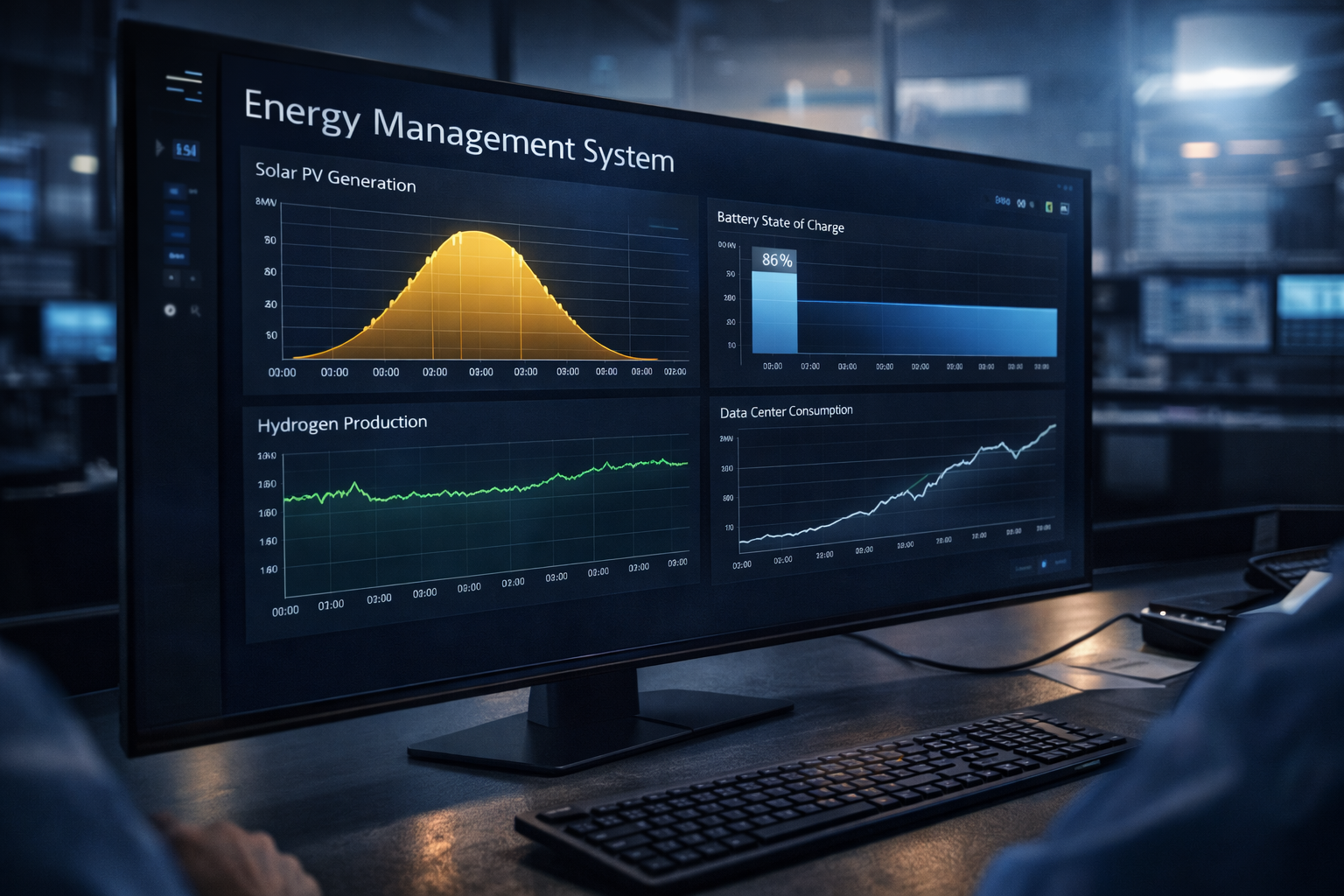
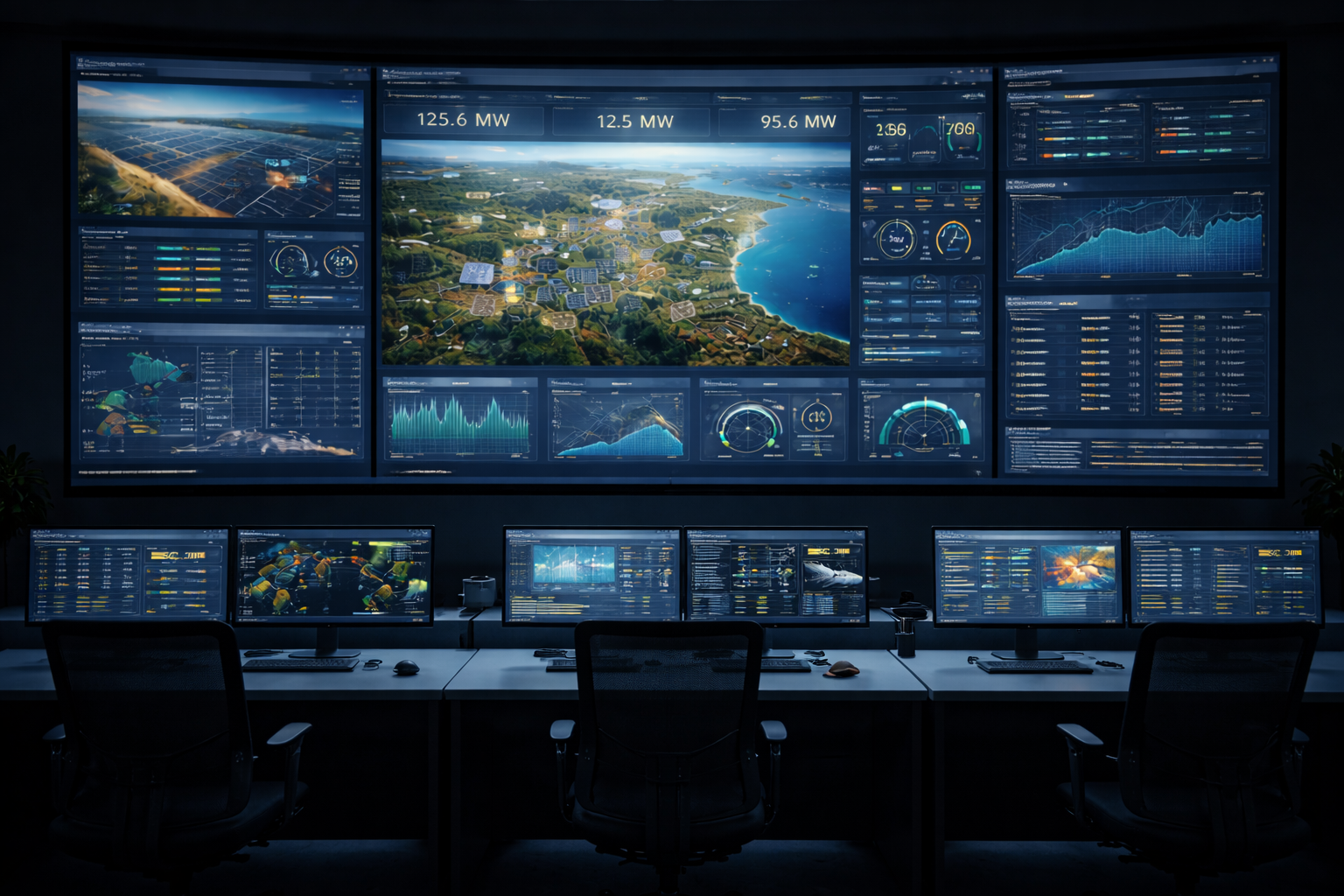
- AI SCADA + EMS—Unified telemetry ingestion, anomaly detection powered by physics-informed models, generation forecasting, and dispatch optimisation. For hybrid sites (PV + BESS + H₂), the EMS layer optimises across multiple asset types in real time.
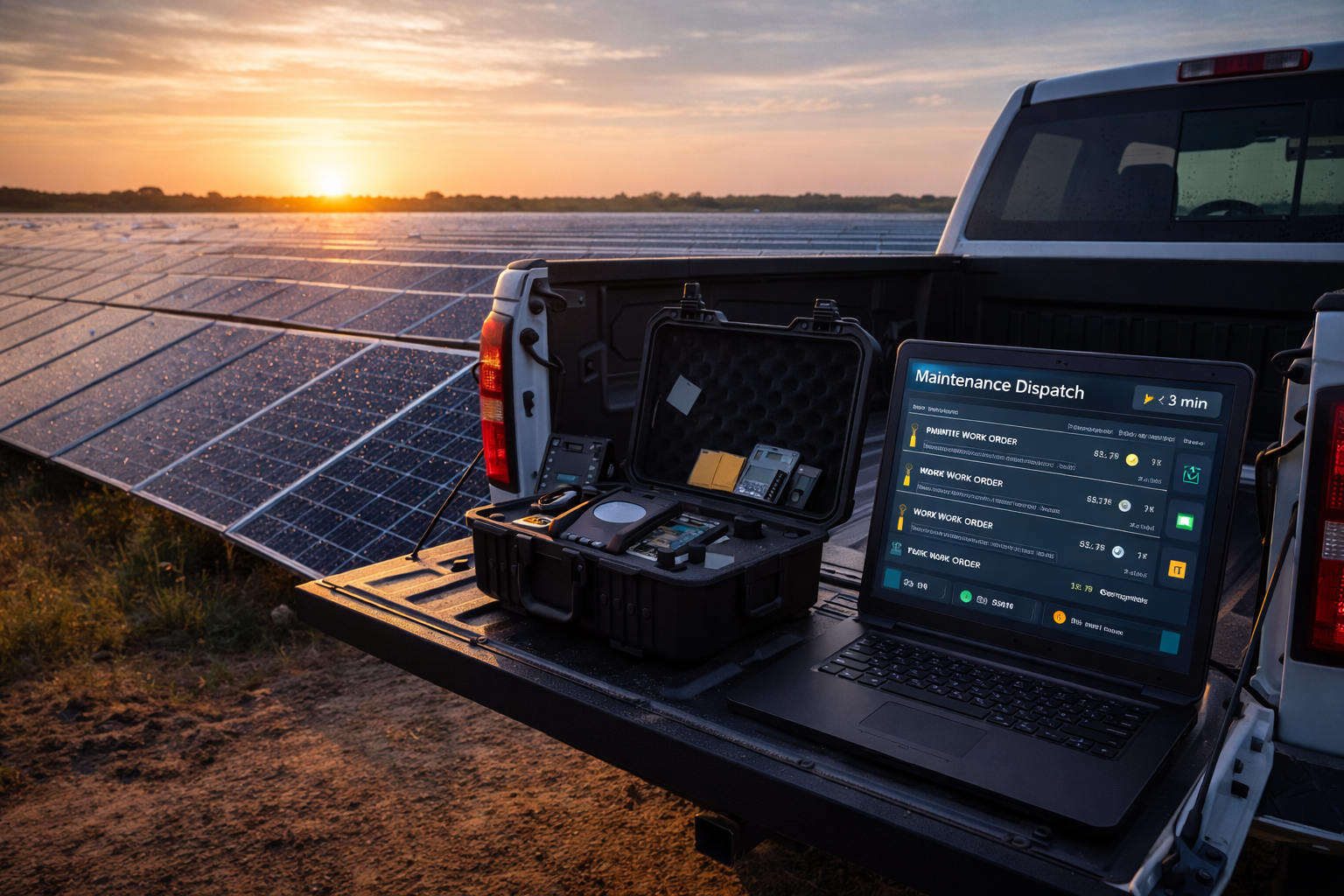
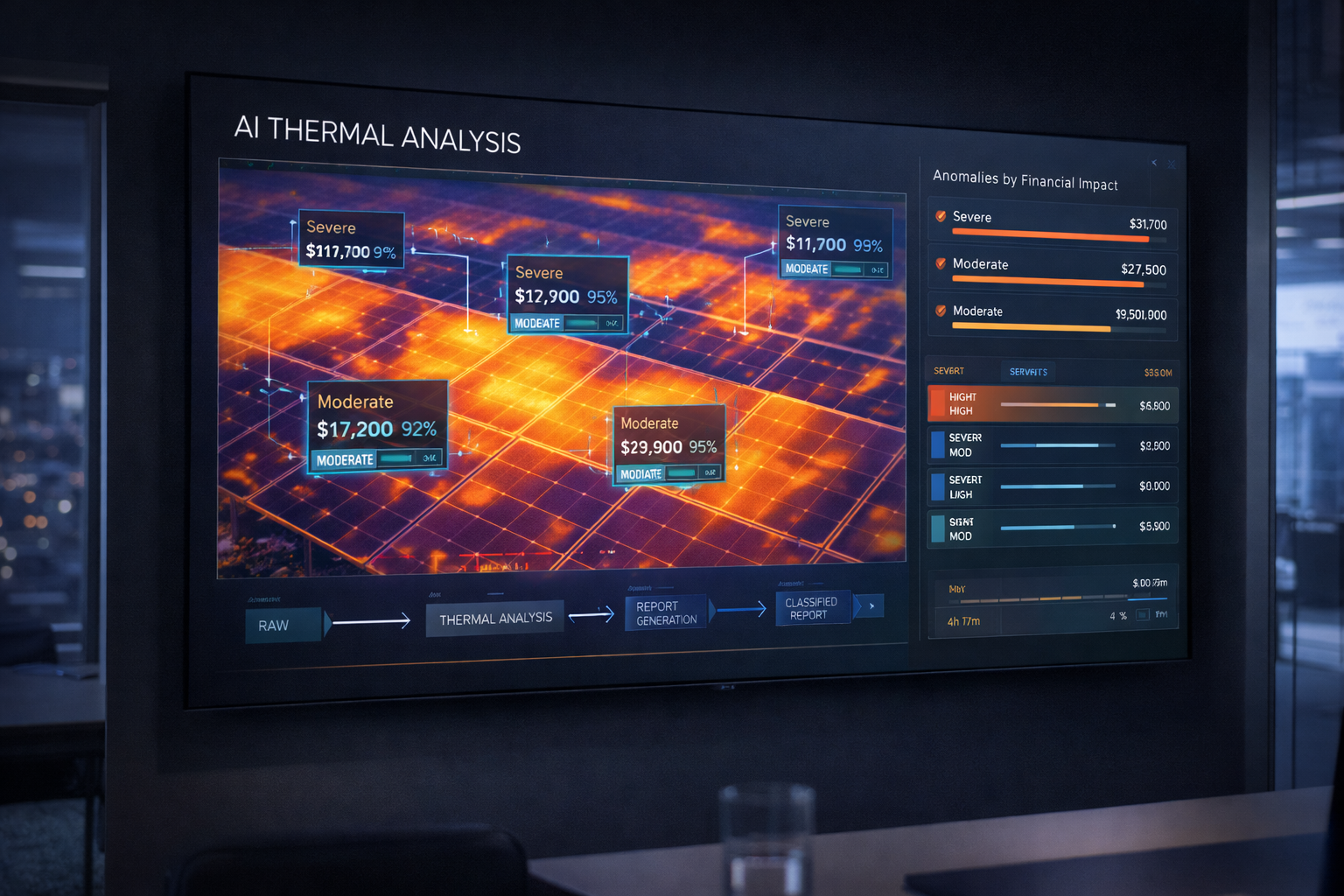
- O&M Analytics—Predictive maintenance that goes beyond simple threshold alarms. Our system diagnoses root causes, prioritises actions based on financial impact, and generates complete evidence packages for warranty claims and insurance.
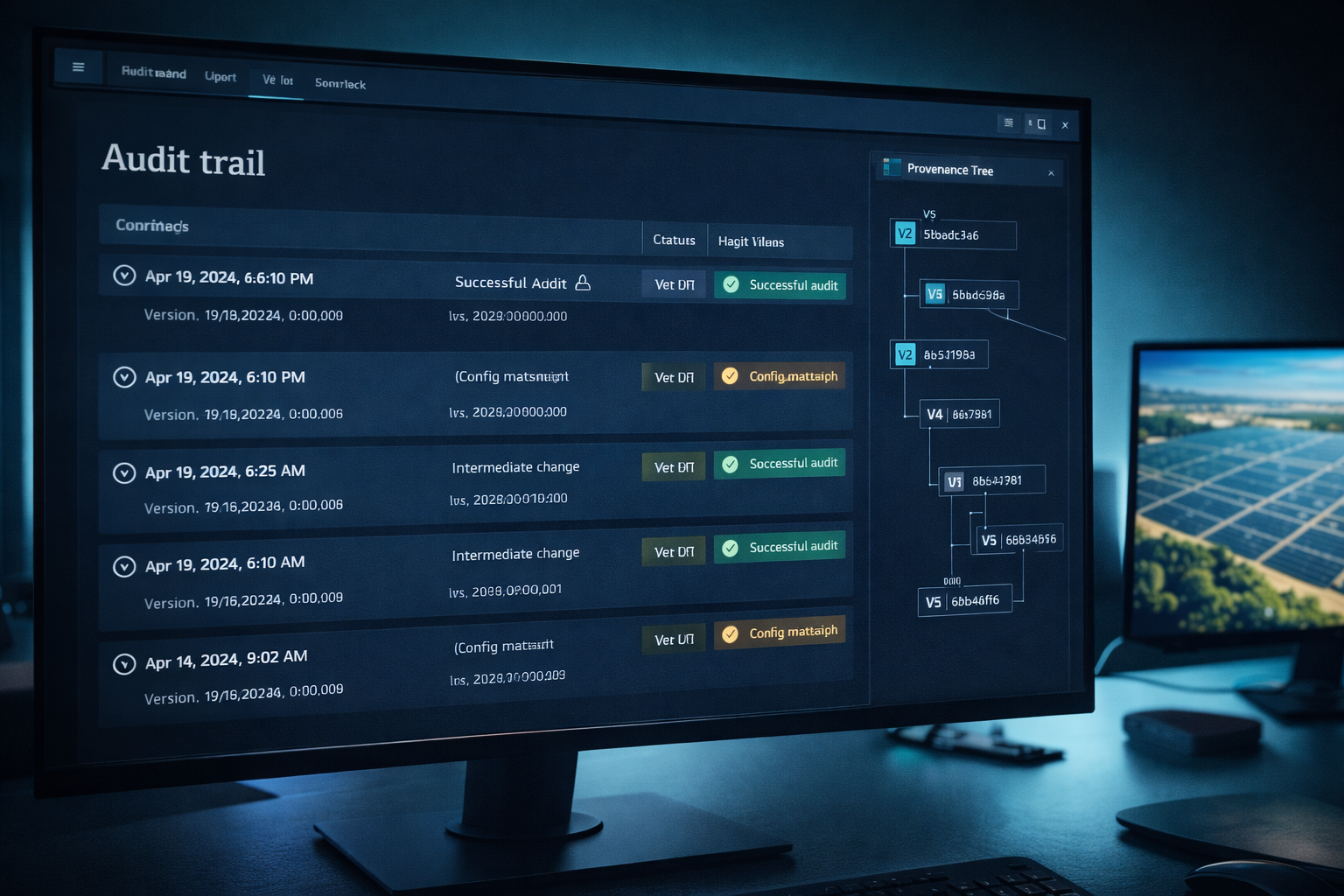
- Digital Twin—The connective tissue. A living model that links design intent to as-built reality to operational performance. Every component is traceable. Every change is versioned. Every decision has a data trail.
Why integration matters
The value of our platform is not just in what each module does individually. It is in the connections between them. When the design automation module produces a layout, the autonomous inspection module knows exactly what to look for during construction. When the SCADA system detects an anomaly, it can trace it back to the design parameters and construction records. When the O&M system recommends maintenance, it references the digital twin to predict the impact on plant performance.
This is what we mean by “one AI platform for the entire PV lifecycle.” It is not a marketing slogan. It is an architectural decision that creates compounding value at every stage.
The market opportunity
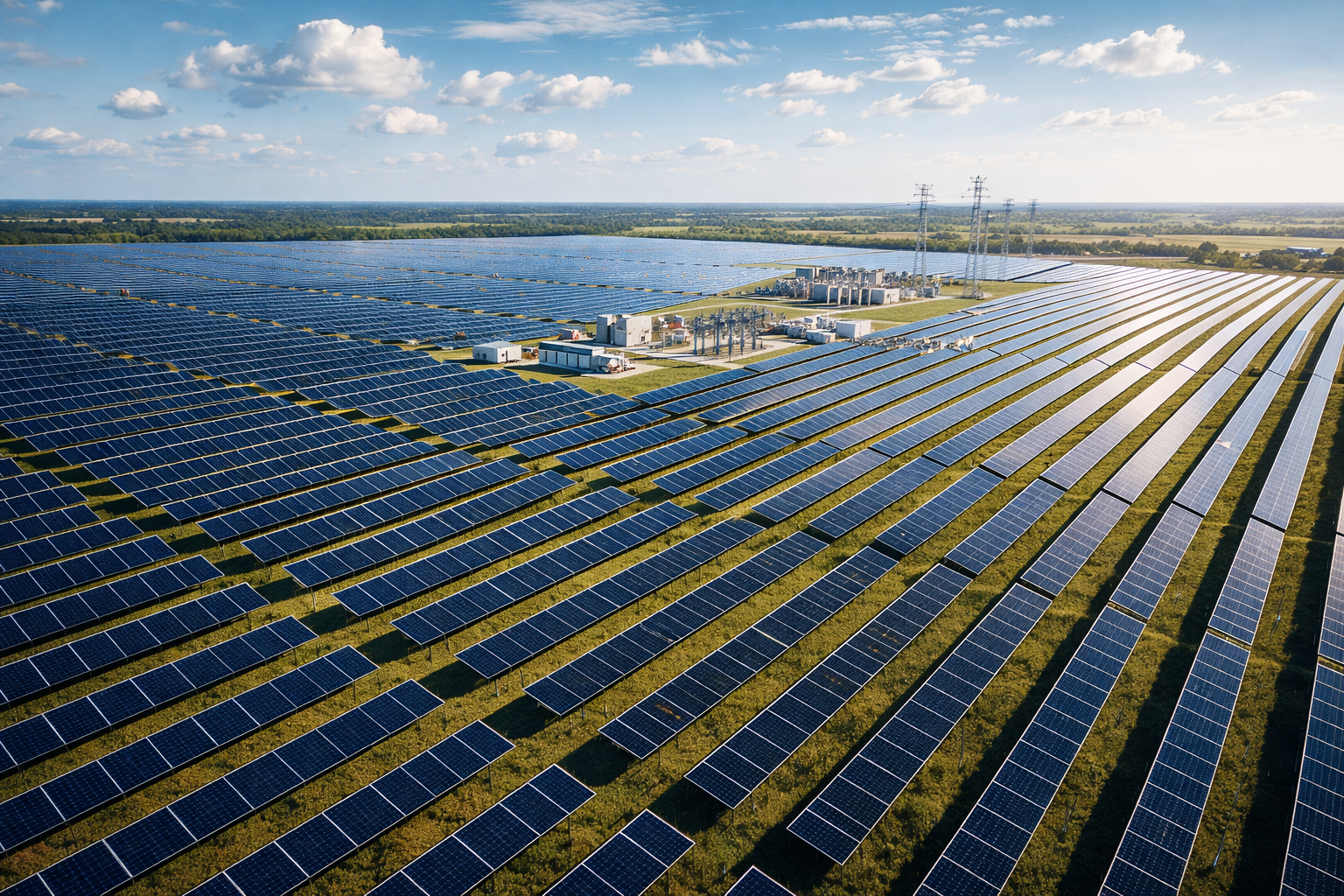
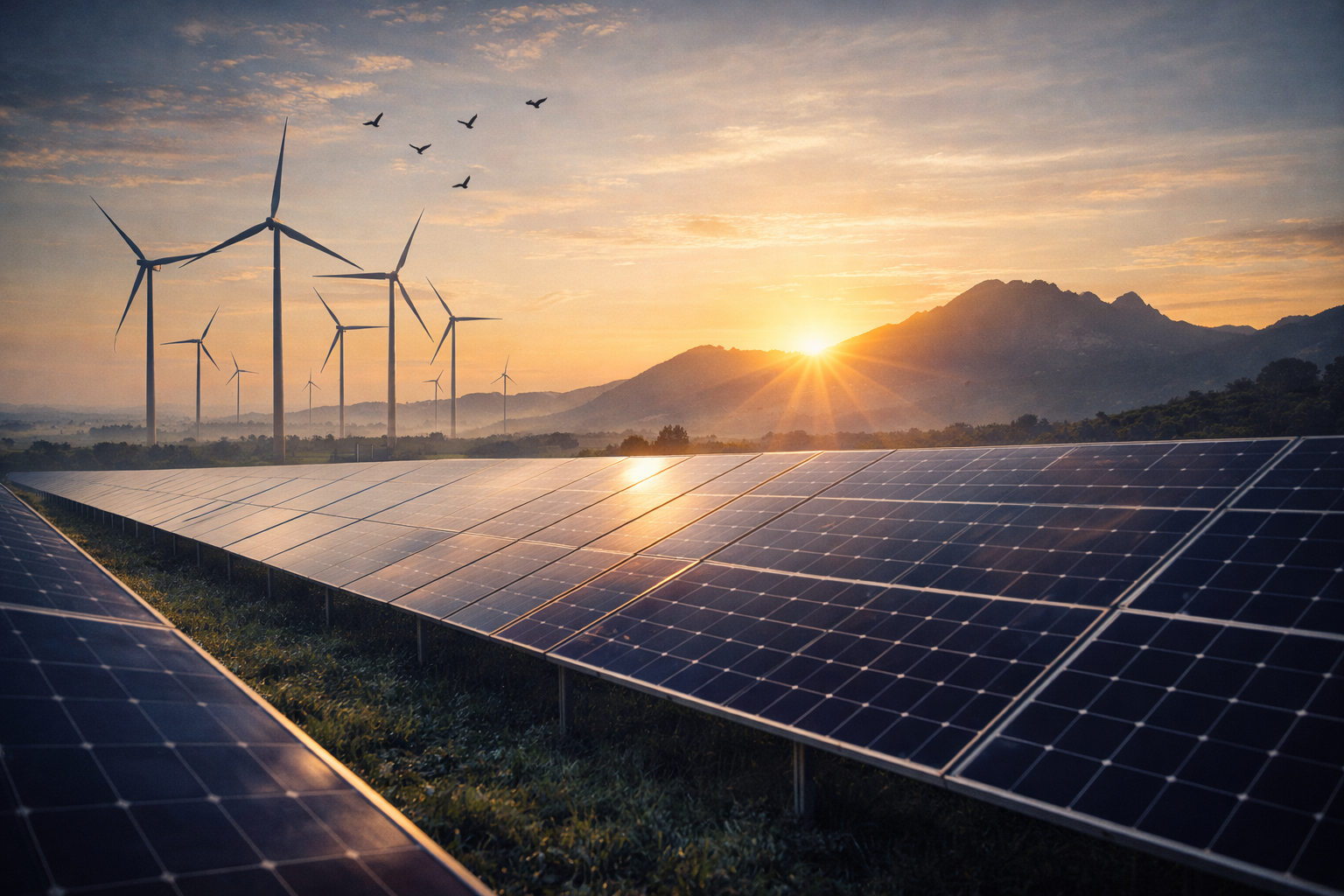
Solar PV is no longer an alternative energy source. It is the dominant form of new electricity generation globally:
593 GW
New solar installed in 2024
$300B+
Annual PV investment globally
5.5 TW
Cumulative capacity by 2030
Yet the software that manages these assets has not kept pace. The PV software market is fragmented across dozens of point solutions: one tool for design, another for monitoring, a third for maintenance, a fourth for document management. None of them talk to each other. None of them use AI in a meaningful way.
The global market for PV lifecycle software—spanning design tools, SCADA/EMS, asset performance management, drone analytics, and document management—is estimated at $8–12 billion annually and growing at 18–22% per year, driven by volume, complexity, and regulation.
The hybrid transition
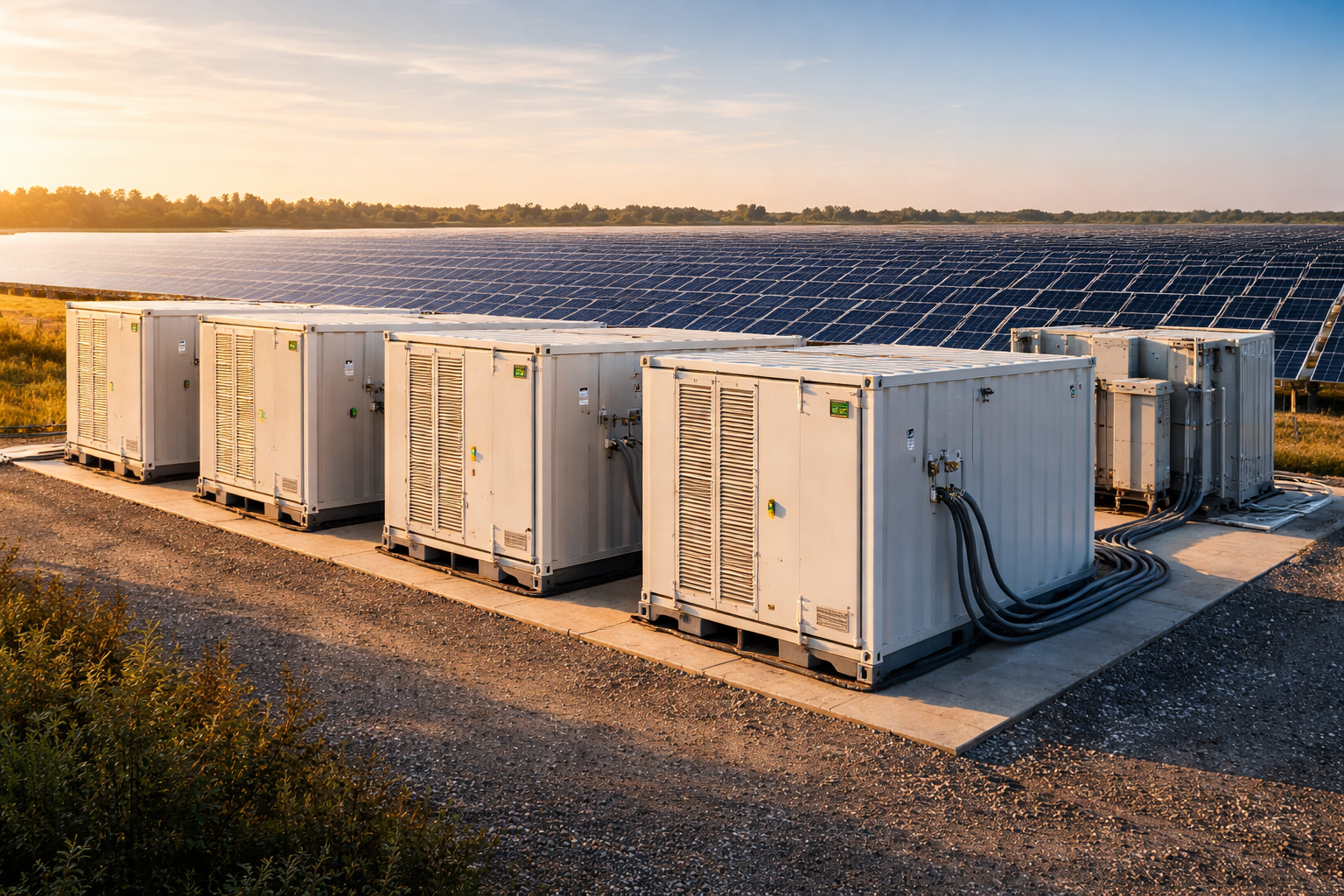
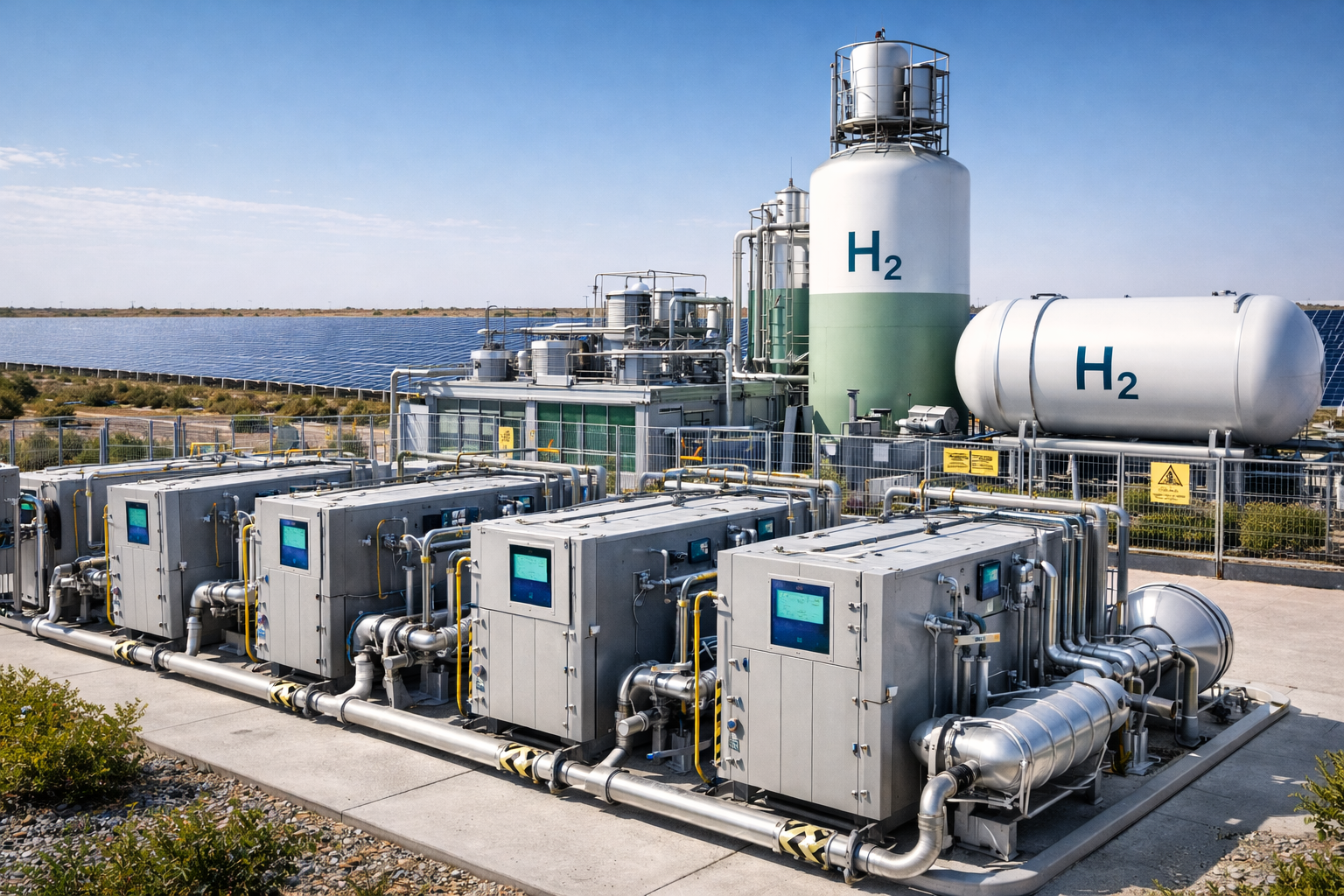
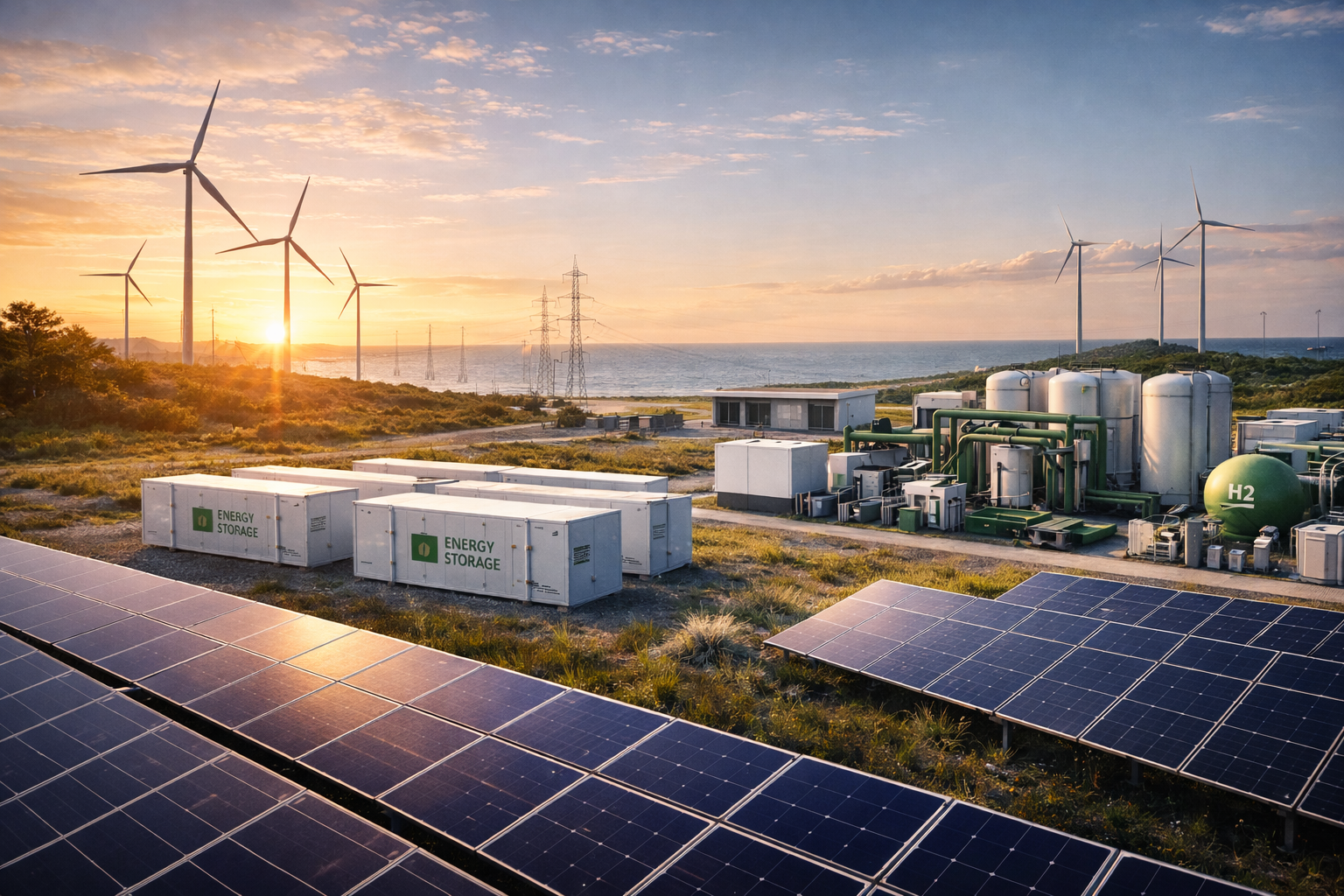
The energy market is moving rapidly from pure PV to hybrid installations that combine solar, battery storage, and increasingly hydrogen production. This transition multiplies the complexity of asset management—and it multiplies the value of an integrated platform. xSkylight is built for this complexity from day one.
Why now
1. AI has matured for industrial applications
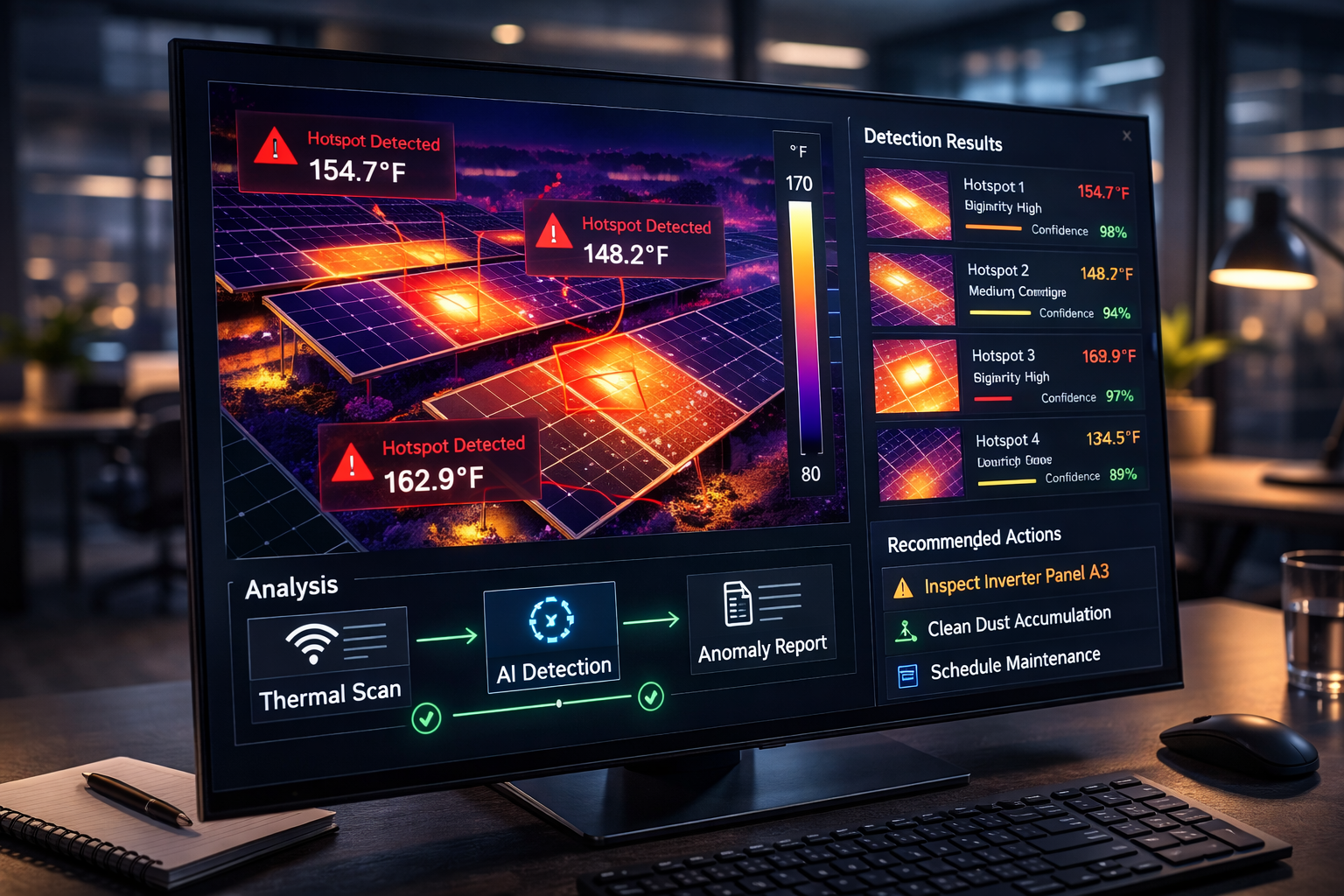
Computer vision models can now reliably detect defects in thermal images, track construction progress from drone imagery, and extract structured data from engineering documents. Large language models can process unstructured documentation and generate reports that meet engineering standards. These capabilities were experimental three years ago. Today they are production-ready.
2. Edge computing enables autonomous operations
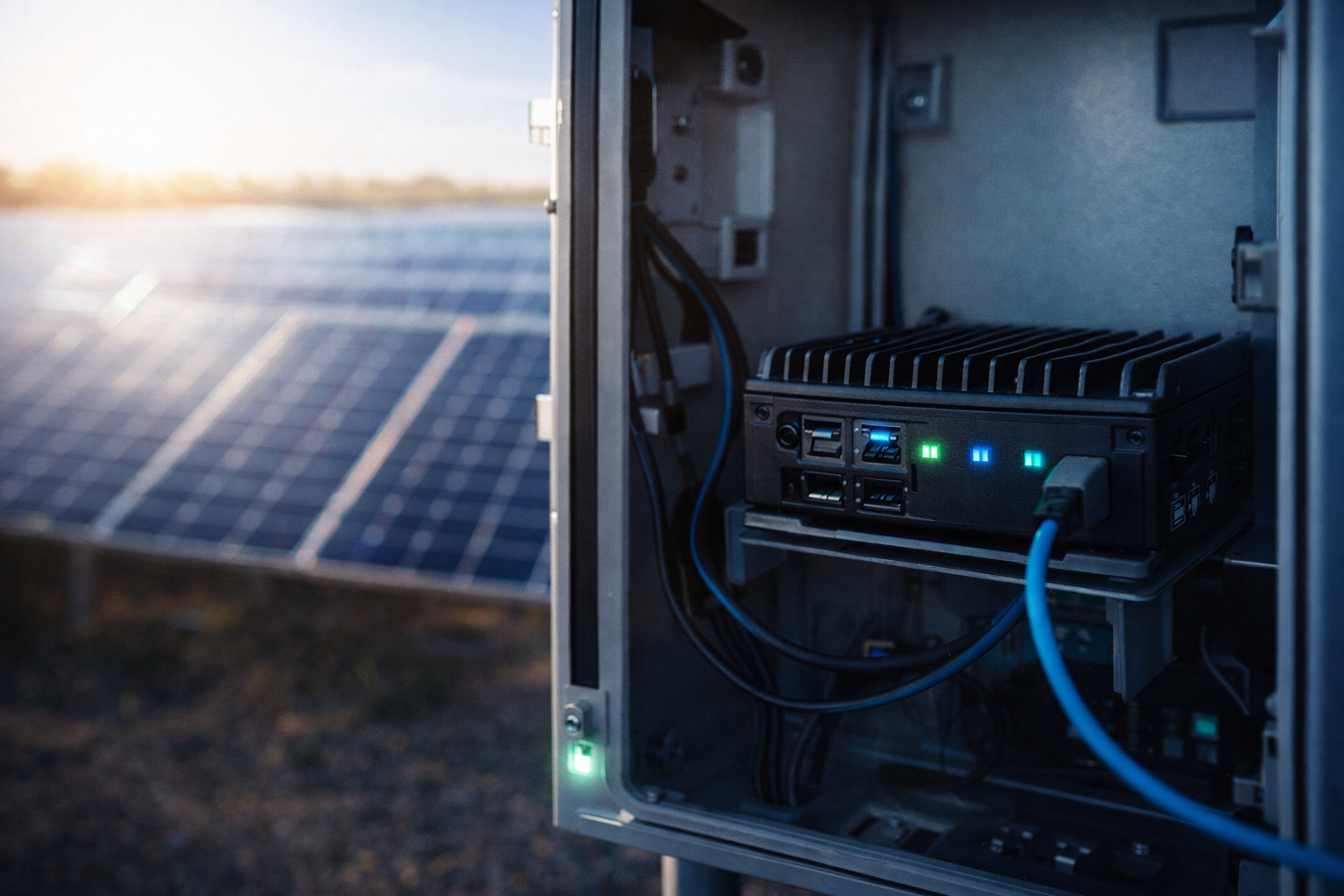
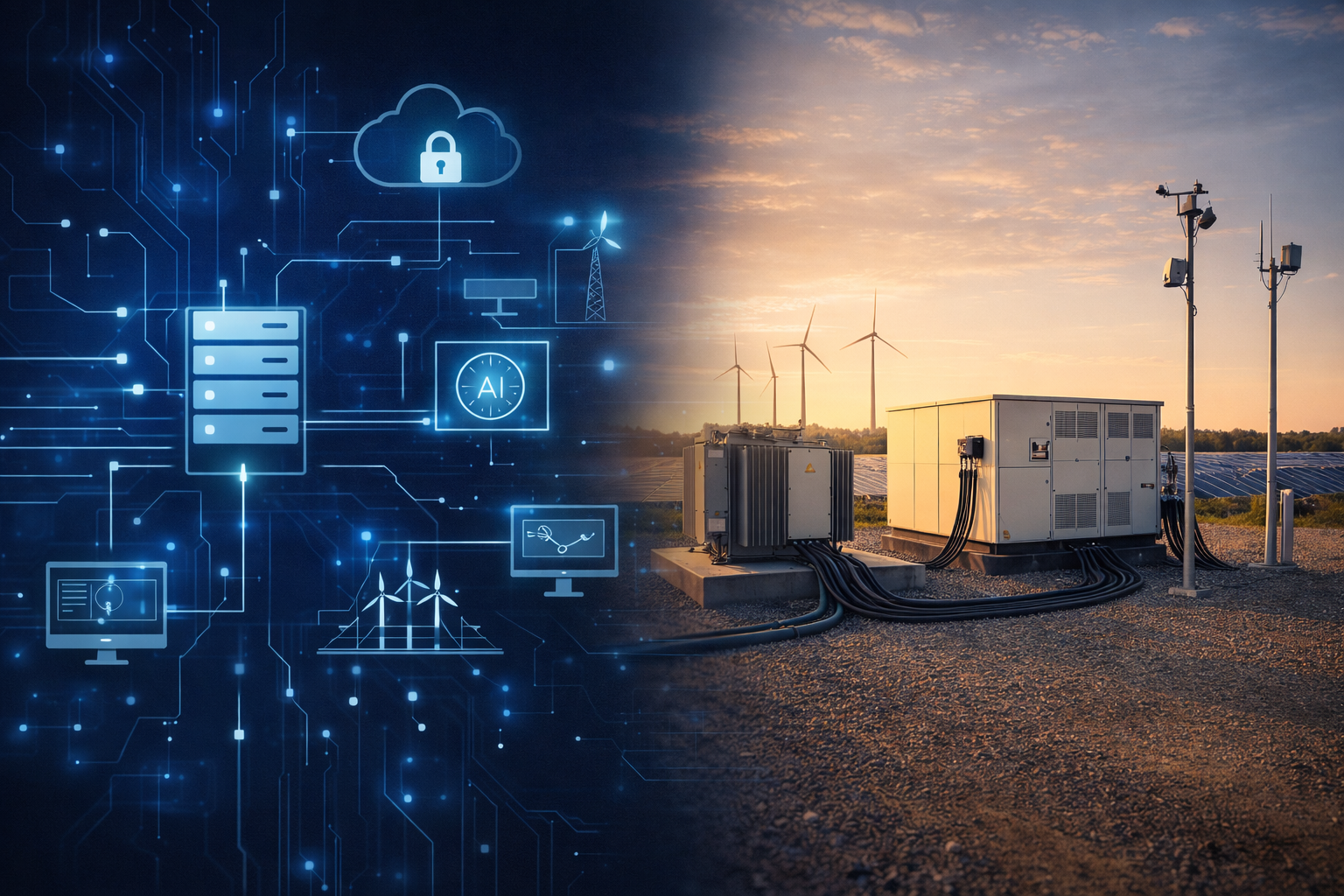
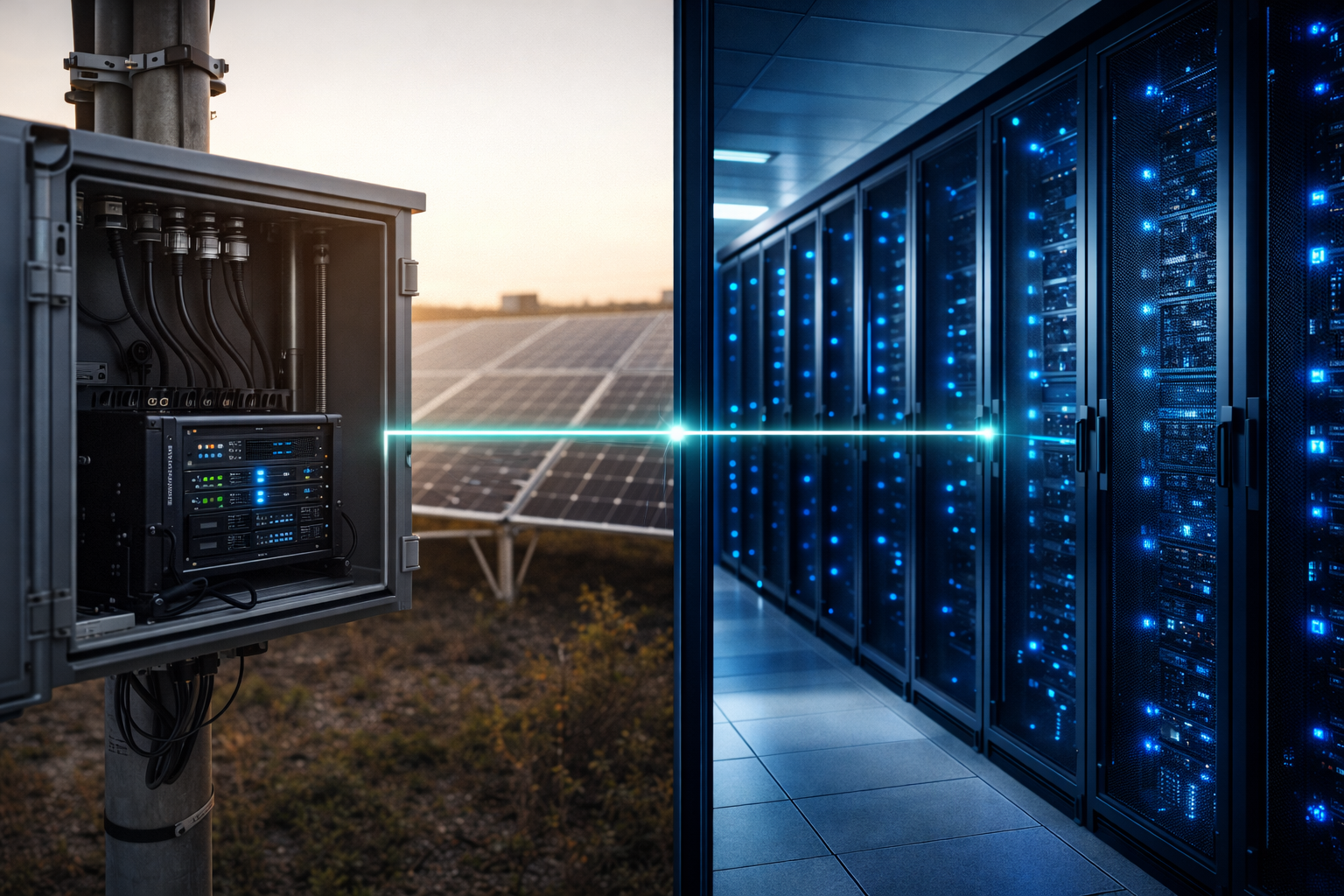
Modern edge devices can run inference models on site, enabling real-time detection and control without depending on cloud connectivity. This is critical for remote PV installations where network reliability cannot be guaranteed. xSkylight uses a hybrid edge-cloud architecture that processes time-critical decisions locally and aggregates fleet-level intelligence in the cloud.
3. The industry is ready
For the first time, utility-scale PV developers and operators are actively seeking AI-powered solutions. The combination of growing portfolio sizes, increasing regulatory requirements, and pressure on margins has created genuine demand for automation. We are not creating a market—we are entering one that is actively pulling for our product.
Our competitive advantage
The four moats
- Full lifecycle integration—No competitor covers design, construction oversight, SCADA/EMS, and O&M in a single platform.
- Domain-specific AI—Our models are trained on PV-specific data: DXF layouts, thermal drone imagery, SCADA telemetry patterns, construction photography. Generic AI tools cannot match this accuracy.
- Auditability by design—Every output our platform produces is traceable to its inputs and the models that generated it. In an industry where decisions affect multi-million-pound assets, this is not a feature—it is a requirement.
- Compounding data advantage—Each project that runs through our platform improves our models. Design patterns, construction defect signatures, performance degradation profiles—all feed back into the system. A classic data flywheel.
What we are not
We are not a consulting firm that builds custom solutions for each client. We are not an AI research lab looking for a problem. We are a product company with deep domain expertise, building software that we ourselves would have wanted when we were designing and operating PV assets.
Traction and roadmap
500+ MW
Design pipeline automated
6
Platform modules in development
2026
First commercial deployments
Where we are today
- Core AI models for design automation, document intelligence, and autonomous inspection are functional and in testing
- SCADA/EMS telemetry ingestion and anomaly detection pipeline architecture is complete
- Active conversations with utility-scale developers, EPC contractors, and asset managers across Europe
- Platform architecture designed for multi-tenant SaaS deployment with enterprise security
The next 18 months
- Q2 2026: Pilot deployments with design automation and document intelligence modules
- Q3 2026: Autonomous site supervision module enters field trials
- Q4 2026: AI SCADA + EMS module enters beta with early adopters
- Q1 2027: Full platform available for commercial deployment
- 2027: Expansion into hybrid asset management (PV + BESS + H₂)
The team
xSkylight was founded by engineers who have spent their careers in the PV industry. We are not outsiders applying generic technology to energy. We are insiders who understand the workflows, the pain points, and the regulatory landscape from first-hand experience.
Our founding team combines expertise across PV system design, construction management, SCADA engineering, computer vision, machine learning, and enterprise software architecture. We have designed PV plants, supervised construction on site, debugged SCADA systems at 3 AM, and written the maintenance procedures that technicians follow in the field.
This domain depth is our unfair advantage. We build software that solves real problems because we have lived those problems ourselves.
Our engineering culture
We believe that software for regulated infrastructure must meet a higher standard. Our code is tested, our models are validated, our outputs are traceable. We do not ship features that we would not trust with our own assets. This is not a cultural aspiration—it is how we work every day.
We are headquartered in London, where we benefit from access to the UK’s deep talent pool in AI, renewable energy, and financial technology—and proximity to Europe’s largest concentration of energy investment firms.
The investment thesis
Why invest in xSkylight
- Massive addressable market—$8–12B annual TAM in PV lifecycle software, growing 18–22% annually, driven by record installation volumes and the hybrid energy transition.
- No incumbent competitor—The market is fragmented across point solutions. There is no dominant platform that covers the full lifecycle. xSkylight is building that platform.
- Deep domain moat—Our team’s PV industry experience, combined with domain-specific AI models and an integrated data architecture, creates a competitive advantage that is difficult to replicate.
- SaaS business model—Recurring revenue from platform subscriptions, with expansion revenue as customers adopt additional modules. High switching costs once the platform is embedded in workflows.
- Data flywheel—Each deployment improves our models, which improves our product, which attracts more customers. This compounding advantage accelerates over time.
- Timing—The convergence of industrial AI maturity, edge computing, and genuine market pull creates a window that will not stay open indefinitely. The platform that captures this market in the next 2–3 years will define the category.
Use of funds
- 60% Engineering: Complete and harden all six platform modules, including edge inference and hybrid asset support.
- 20% Commercial: Fund pilot programmes with strategic early adopters, build sales engineering capability, establish partnerships.
- 15% Operations: Scale the London team with senior hires in AI/ML, PV domain expertise, and product management.
- 5% Legal & compliance: IP protection, ISO 27001 certification, and regulatory alignment across target markets.
Our ask
We are raising capital at a target valuation of approximately $100 million, reflecting the scale of the market opportunity ($8–12B TAM), the depth of our technology moat, and the category-defining potential of a full-lifecycle AI platform in the fastest-growing segment of energy infrastructure.
We are looking for investors who understand infrastructure technology, have patience for enterprise sales cycles, and recognise that the energy transition needs better software—not just more hardware. If you invest in deep-tech companies that solve real industrial problems, we should talk.
~$100M
Docelowa wycena spółki
xSkylight celuje w zdefiniowanie kategorii na rynku oprogramowania PV o wartości 8–12 mld $—z modularną platformą AI, głęboką fosą domenową i kumulującym się kołem zamachowym danych rosnącym z każdym wdrożeniem.
Problem, który zobaczylimy
Wywodzimy się z branży. Spędziliśmy lata projektując farmy fotowoltaiczne, nadzorując budowę i optymalizując eksploatację wielkoskalowych aktywów solarnych w Europie i poza nią. I wszędzie obserwowaliśmy ten sam schemat.
Inżynier projektant w biurze tworzy układ w programie CAD. Kierownik budowy na placu porównuje go z rzeczywistością za pomocą schowka i aparatu—odchylenia wykrywane są późno, czasem dopiero przy rozruchu. Po przekazaniu elektrowni zespół operacyjny monitoruje wydajność przez system SCADA, który nie ma żadnego połączenia z oryginalnym modelem projektowym. Gdy coś zaczyna tracić wydajność, technik jedzie na miejsce, robi zdjęcia, pisze raport ręcznie i wysyła go mailem do trzech różnych osób. Każda faza kończy się tam, gdzie zaczyna się następna—ale nic ich faktycznie nie łączy.
Każdy etap cyklu życia instalacji PV jest odłączony od następnego. Dane są uwięzione w silosach. Decyzje podejmowane są bez kontekstu. A branża traci miliardy rocznie na poprawki projektowe, opóźnienia budowlane, niewykryte usterki i suboptymalną eksploatację.
To nie jest niszowa nieefektywność. To strukturalna luka w rynku o wartości ponad 300 miliardów dolarów rocznie—i pogłębia się z każdym zainstalowanym gigawatem.
Skala problemu
- Faza projektowa: Układy tworzone są w narzędziach CAD bez świadomości sekwencjonowania budowy, ograniczeń zamówieniowych czy wydajności operacyjnej. Inżynierowie iterują ręcznie, często produkując wyniki wymagające poprawek po przekazaniu wykonawcy EPC.
- Faza budowy: Postępy śledzone są przez ręczne obchody terenu i dzienniki zdjęciowe. Nie istnieje systematyczny sposób porównania tego, co zaprojektowano, z tym, co faktycznie zbudowano. Odchylenia wykrywane są późno—czasem dopiero podczas rozruchu.
- Faza eksploatacji: Systemy SCADA zbierają telemetrię, ale brakuje im inteligencji. Anomalie wykrywane są przez alarmy progowe, a nie modele rozumiejące, jak elektrownia powinna działać. Utrzymanie jest reaktywne.
- Dokumentacja: Każdy projekt generuje tysiące dokumentów—pozwolenia, specyfikacje techniczne, rejestry zgodności, raporty inspekcji. Znalezienie właściwego dokumentu we właściwym czasie kosztuje projekty tygodnie opóźnień.
Zrozumieliśmy, że branża PV nie potrzebuje kolejnego punktowego rozwiązania. Potrzebuje platformy łączącej intencję projektową z rzeczywistością budowy i wydajnością operacyjną—z AI rozumiejącym cały cykl życia.
Co budujemy
xSkylight to modularna platforma AI integrująca cały cykl życia instalacji PV w jeden system. Sześć modułów, jeden wątek danych, każdy wynik możliwy do audytu.
Nasza platforma nie jest zbiorem rozłącznych narzędzi połączonych przez API. Jest zbudowana od podstaw jako zintegrowany system, w którym dane projektowe przepływają do weryfikacji budowy, dane budowlane zasiląją bazowe parametry operacyjne, a wglądy operacyjne wracają do optymalizacji projektów.
Sześć modułów
- Automatyzacja Projektowania — Napędzana przez VibeSolar—Nasz autorski silnik projektowy AI-native łączy deterministyczne silniki layoutu, elektryki i części cywilnej z asystentem AI wewnątrz Autodesk AutoCAD/Civil 3D. Generowanie layoutów świadome terenu, kompletny projekt elektryczny, automatyczne drogi i ogrodzenia, BoQ, estymacja użysku i modele finansowe LCOE/IRR/NPV. 96 komend CAD, 32 okien dialogowych WPF, pełny ślad audytowy. ML uczenie edycji obserwuje udoskonalenia projektu i wnioskuje intencje. Probabilistyczna analiza scenariuszy przeszukuje do 50 wariantów z rankingami pojemności P10/P50/P90. Dowiedz się więcej o VibeSolar →
- Inteligencja dokumentowa—Zautomatyzowane due diligence i zarządzanie dokumentacją. System wyodrębnia encje z nieustrukturyzowanych dokumentów, wykrywa brakujące lub wygasłe zapisy i generuje ustrukturyzowany kontekst projektowy.
- Autonomiczny nadzór terenu—Zrzuty z dronów i kamer naziemnych zasilają modele AI produkujące ortomozaiki, chmury punktów i raporty postępów. System porównuje stan budowy z modelem projektowym i automatycznie generuje pakiety dowodowe.
- AI SCADA + EMS—Zunifikowana ingestia telemetrii, wykrywanie anomalii oparte na modelach fizycznych, prognozowanie generacji i optymalizacja dyspozycji. Dla instalacji hybrydowych warstwa EMS optymalizuje w czasie rzeczywistym pomiędzy różnymi typami aktywów.
- Analityka O&M—Predykcyjne utrzymanie ruchu wykraczające poza proste alarmy progowe. System diagnozuje przyczyny źródłowe, priorytetyzuje działania według wpływu finansowego i generuje pakiety dowodowe do roszczeń gwarancyjnych.
- Cyfrowy bliźniak—Tkanka łączna. Żywy model łączący intencję projektową z rzeczywistością budowy i wydajnością operacyjną. Każdy komponent identyfikowalny. Każda zmiana wersjonowana. Każda decyzja ma ślad danych.
Dlaczego integracja ma znaczenie
Wartość naszej platformy nie tkwi tylko w tym, co robi każdy moduł osobno. Leży w połączeniach między nimi. Gdy moduł automatyzacji projektowania wytworzy układ, moduł autonomicznej inspekcji dokładnie wie, czego szukać podczas budowy. Gdy system SCADA wykryje anomalię, może prześledzić ją do parametrów projektowych. Gdy system O&M zaleca konserwację, odwołuje się do cyfrowego bliźniaka, aby przewidzieć wpływ na wydajność.
To właśnie mamy na myśli mówiąc „jedna platforma AI dla całego cyklu życia PV.” To nie slogan marketingowy. To decyzja architektoniczna tworząca kumulującą się wartość na każdym etapie.
Szansa rynkowa
Fotowoltaika nie jest już alternatywnym źródłem energii. To dominująca forma nowej generacji elektryczności na świecie:
593 GW
Nowe instalacje PV w 2024
300+ mld $
Roczne inwestycje PV globalnie
5,5 TW
Skumulowana moc do 2030
Tymczasem oprogramowanie zarządzające tymi aktywami nie nadążyło. Rynek jest podzielony pomiędzy dziesiątki punktowych rozwiązań. Żadne z nich nie komunikuje się z pozostałymi. Żadne nie wykorzystuje AI w sensowny sposób.
Globalny rynek oprogramowania dla cyklu życia PV szacowany jest na 8–12 miliardów dolarów rocznie i rośnie w tempie 18–22% rocznie, napędzany wolumenem, złożonością i regulacjami.
Transformacja hybrydowa
Rynek energetyczny szybko przechodzi od czystego PV do instalacji hybrydowych łączących fotowoltaikę, magazyny energii i coraz częściej produkcję wodoru. Ta transformacja mnoży złożoność zarządzania aktywami—i mnoży wartość zintegrowanej platformy. xSkylight jest na tę złożoność przygotowany od początku.
Dlaczego teraz
1. AI dojrzało do zastosowań przemysłowych
Modele wizji komputerowej mogą teraz niezawodnie wykrywać defekty na zdjęciach termalnych, śledzić postępy budowy ze zdjęć dronowych i wyodrębniać ustrukturyzowane dane z dokumentów inżynierskich. Te zdolności były eksperymentalne trzy lata temu. Dziś są gotowe do produkcji.
2. Obliczenia brzegowe umożliwiają autonomiczne operacje
Nowoczesne urządzenia brzegowe mogą uruchamiać modele inferencji na miejscu, umożliwiając detekcję i sterowanie w czasie rzeczywistym bez zależności od chmury. xSkylight wykorzystuje hybrydową architekturę brzeg-chmura przetwarzającą decyzje krytyczne lokalnie, a inteligencję floty agregującą w chmurze.
3. Branża jest gotowa
Po raz pierwszy deweloperzy i operatorzy wielkoskalowych instalacji PV aktywnie poszukują rozwiązań opartych na AI. Kombinacja rosnących portfeli, wymagań regulacyjnych i presji na marże stworzyła autentyczny popyt na automatyzację. Nie tworzymy rynku—wchodzimy na rynek, który aktywnie ciągnie w stronę naszego produktu.
Nasza przewaga konkurencyjna
Cztery fosy obronne
- Integracja pełnego cyklu życia—Żaden konkurent nie obejmuje projektowania, nadzoru budowy, SCADA/EMS i O&M w jednej platformie.
- AI specyficzne dla domeny—Nasze modele trenowane na danych specyficznych dla PV. Generyczne narzędzia AI nie mogą dorównać dokładności modeli zbudowanych dla tej domeny.
- Audytowalność z założenia—Każdy wynik jest identyfikowalny do swoich danych wejściowych i modeli. W branży wielomilionowych aktywów to nie funkcjonalność—to wymóg.
- Kumulująca się przewaga danych—Każdy projekt ulepsza nasze modele. Wzorce projektowe, sygnatury defektów, profile degradacji—wszystko wraca do systemu. Klasyczne koło zamachowe danych.
Czym nie jesteśmy
Nie jesteśmy firmą konsultingową budującą rozwiązania na zamówienie. Nie jesteśmy laboratorium badawczym szukającym problemu. Jesteśmy firmą produktową z głęboką ekspertyzą domenową, budującą oprogramowanie, którego sami byśmy chcieli, kiedy projektowaliśmy i eksploatowaliśmy aktywa PV.
Trakcja i mapa drogowa
500+ MW
Zautomatyzowany potok projektowy
2026
Pierwsze wdrożenia komercyjne
Gdzie jesteśmy dziś
- Podstawowe modele AI do automatyzacji projektowania, inteligencji dokumentowej i autonomicznej inspekcji są funkcjonalne i w fazie testów
- Architektura potoku ingestii telemetrii SCADA/EMS i wykrywania anomalii jest kompletna
- Aktywne rozmowy z deweloperami, wykonawcami EPC i zarządcami aktywów w Europie
- Architektura platformy zaprojektowana pod wielodostępowe wdrożenie SaaS z bezpieczeństwem enterprise
Kolejne 18 miesięcy
- Q2 2026: Wdrożenia pilotowe—automatyzacja projektowania i inteligencja dokumentowa
- Q3 2026: Autonomiczny nadzór terenu wchodzi w próby terenowe
- Q4 2026: AI SCADA + EMS w wersji beta z wczesnymi użytkownikami
- Q1 2027: Pełna platforma dostępna do wdrożenia komercyjnego
- 2027: Ekspansja w zarządzanie aktywami hybrydowymi (PV + BESS + H₂)
Zespół
xSkylight założyli inżynierowie, którzy spędzili kariery w branży PV. Nie jesteśmy ludmi z zewnątrz stosującymi generyczną technologię do energetyki. Jesteśmy insiderami rozumiejącymi procesy, bolączki i krajobraz regulacyjny z pierwszej ręki.
Nasz zespół łączy ekspertyzę w projektowaniu systemów PV, zarządzaniu budową, inżynierii SCADA, wizji komputerowej, uczeniu maszynowym i architekturze oprogramowania. Projektowaliśmy farmy, nadzorowaliśmy budowę, debugowaliśmy systemy SCADA o 3 w nocy i pisaliśmy procedury konserwacyjne dla techników terenowych.
Ta głębia domenowa jest naszą niesprawiedliwą przewagą. Budujemy oprogramowanie rozwiązujące prawdziwe problemy, bo sami te problemy przeżyliśmy.
Nasza kultura inżynierska
Wierzymy, że oprogramowanie dla regulowanej infrastruktury musi spełniać wyższy standard. Nasz kod jest testowany, modele walidowane, wyniki identyfikowalne. Nie wypuszczamy funkcjonalności, którym nie zaufalibyśmy z własnymi aktywami.
Siedziba w Londynie daje nam dostęp do głębokiej puli talentów w AI, energetyce odnawialnej i fintech—oraz bliskość do największego w Europie skupiska firm inwestycyjnych w energetyce.
Teza inwestycyjna
Dlaczego warto zainwestować w xSkylight
- Ogromny rynek adresowalny—8–12 mld $ rocznego TAM, rosnący 18–22% rocznie, napędzany rekordowymi instalacjami i transformacją hybrydową.
- Brak dominującego konkurenta—Rynek fragmentaryczny. Nie istnieje platforma obejmująca cały cykl życia. xSkylight ją buduje.
- Głęboka fosa domenowa—Doświadczenie w PV, modele AI specyficzne dla domeny i zintegrowana architektura danych—trudne do replikacji.
- Model SaaS—Przychody cykliczne z subskrypcji, ekspansja modułowa. Wysokie koszty zmiany dostawcy po wbudowaniu w procesy.
- Koło zamachowe danych—Każde wdrożenie ulepsza modele, co ulepsza produkt, co przyciąga klientów. Kumulująca się przewaga.
- Timing—Zbieg dojrzałości AI, obliczeń brzegowych i ciągu rynkowego. Platforma, która przejmie rynek w 2–3 lata, zdefiniuje kategorię.
Przeznaczenie środków
- 60% Inżynieria: Ukończenie sześciu modułów, inferencja brzegowa, wsparcie aktywów hybrydowych.
- 20% Komercjalizacja: Programy pilotowe, inżynieria sprzedaży, partnerstwa z operatorami dronów i integratorami SCADA.
- 15% Operacje: Skalowanie zespołu—AI/ML, ekspertyza PV, zarządzanie produktem.
- 5% Prawo i zgodność: Własność intelektualna, ISO 27001, dopasowanie regulacyjne.
Nasza prośba
Pozyskujemy kapitał przy docelowej wycenie około 100 milionów dolarów, co odzwierciedla skalę szansy rynkowej (8–12 mld $ TAM), głębokość naszej fosy technologicznej i potencjał zdefiniowania kategorii przez platformę AI obejmującą pełny cykl życia w najszybciej rosnącym segmencie infrastruktury energetycznej.
Szukamy inwestorów rozumiejących technologię infrastrukturalną, cierpliwych do cykli sprzedaży enterprise i rozpoznających, że transformacja energetyczna potrzebuje lepszego oprogramowania—nie tylko więcej sprzętu. Jeśli inwestujesz w firmy deep-tech rozwiązujące prawdziwe problemy przemysłowe, powinniśmy porozmawiać.